
Soil Regeneration in Singapore
1st December 2025
Written by Sixian Lim
Overview
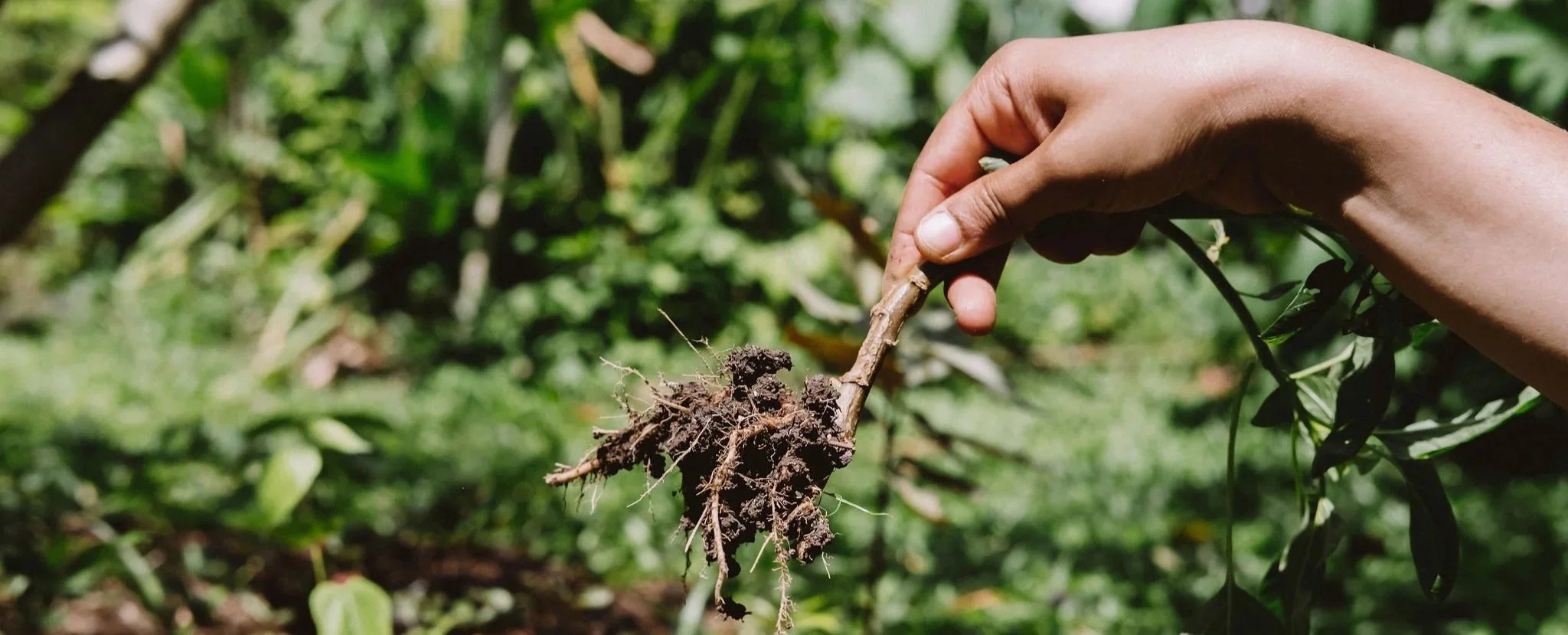
What does it mean to care for soil in a dense urban landscape? Drawing from a 3-year soil regeneration study in Singapore alongside personal reflections from Northern Thailand, this essay traces the work of “soil companions” - gardeners who restore life to neglected ground through patience, experimentation, and ecological care. At its heart, the piece explores how tending soil becomes not just a practice of growing food, but of cultivating new relationships with land, community, and the living world.
Table of Contents
Scenes from the Field
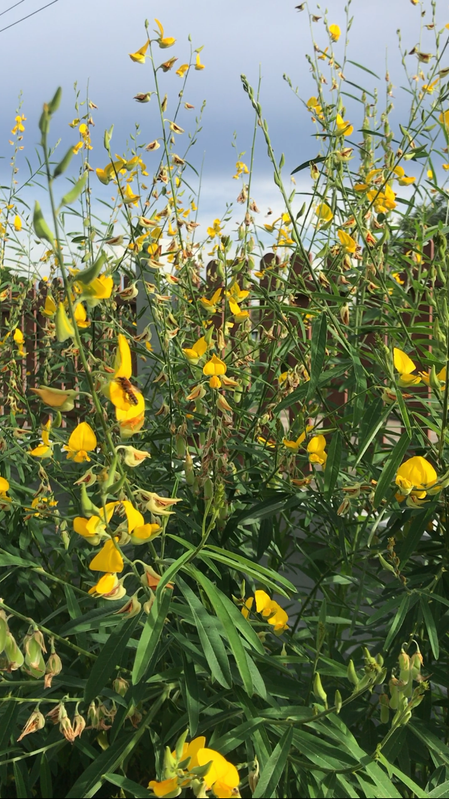
As I write, a short frilly row of Sunn Hemp sits in the soil a distance from the window of my home in Northern Thailand.
The yard I had access to was what first drew me to move into this house, but other than two banana plants, and a larger tree — probably grown for shade — the rest of the green space was unmistakably lawn. Tidy, but could really do with more life. When I first moved into this place a few months ago, I had aspirations of starting an edible garden. With that in mind, I had made a visit to the garden shop and excitedly bought some vegetable seeds, along with some Sunn Hemp seeds. Sunn Hemp — a hardy leguminous cover crop, nitrogen-fixing pioneer — properties I remember quite clearly. It was after all one of the first plants I was introduced to when I started learning about natural farming years ago as a volunteer at Ground-Up Initiative. But on digging into the soil, I was confronted by the clay that revealed itself. It was orangey. Sticky and stubborn. Doubts about this garden coming to fruition crept in. Edible plants aside, would even the Sunn Hemp warm up to this?
At around the same time, through a serendipitous email exchange with Vivian who was part of the team overseeing the Soil Regeneration Project in Singapore, I found myself on the receiving end of a rich trove of “artefacts” from a 3-year study: interview recordings with soil regeneration practitioners, transcripts, photographs, and fieldwork logs — recordings of what was done and when, who was there, and what was involved.
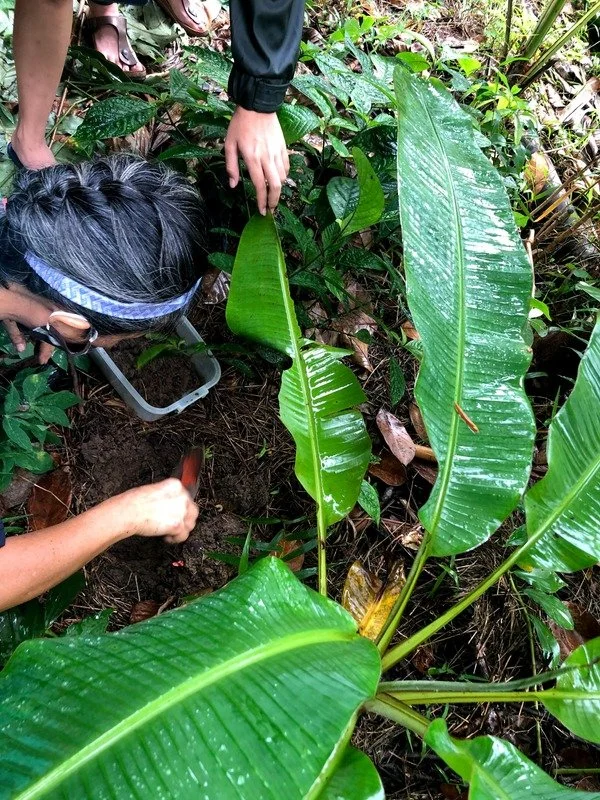
The study was a collaboration between the Soil Regeneration Project, a community-led initiative, the National Parks Board’s (NParks) “Community in Bloom” (CIB) programme, and the NParks “Plant Science and Health Laboratory”. As part of the study, garden sites where regenerative practices were being carried out were identified and soil samples were taken periodically to study the impact of these practices on soil quality. Alongside the soil analysis, members from the project team also served as fieldworkers – working closely with the soil regeneration practitioners, understanding their approaches, documenting the process through photographs and written logs.
I recall feeling both excited and heartened to hear about the development and culmination of this 3-year soil regeneration project. The fact that the soil body was receiving this level of attention was something worth celebrating.
Soil Security is Food Security
In Singapore, there are to date 2000 registered community gardens and over 2400 allotment garden plots adopted by residents islandwide. While an increasing amount of attention has been given to the role these sites play as an additional production source in local food security policies, the active regeneration of urban soils is rarely recognised as a key priority.
Despite that, there is amongst the larger group of gardening enthusiasts, a growing network of individuals who are employing soil regenerative practices in Singapore — “soil companions” journeying with soils in their own ways.
The work of soil companions is undergirded by a prioritization of soil health, and an intimate understanding of soil as a living body. Often serving as knowledge holders, their expertise has been developed through direct, embodied engagement with the land.
The term “soil companions”¹ is a framing first introduced by the authors of “The garden as the field: following soil regeneration practices with participatory soil science in Singapore”, a research paper presenting the qualitative findings of the aforementioned 3-year project. A unique contribution to the literature around soil research, the authors sought to draw attention to the gardener’s relationship to soil as one of communing and journeying with - rather than imposing or standing over. Companionship, as Donna Haraway describes², centres upon a recognition of interdependency. As soil companions, the gardeners work with nature such that it can grow in its natural abundance.
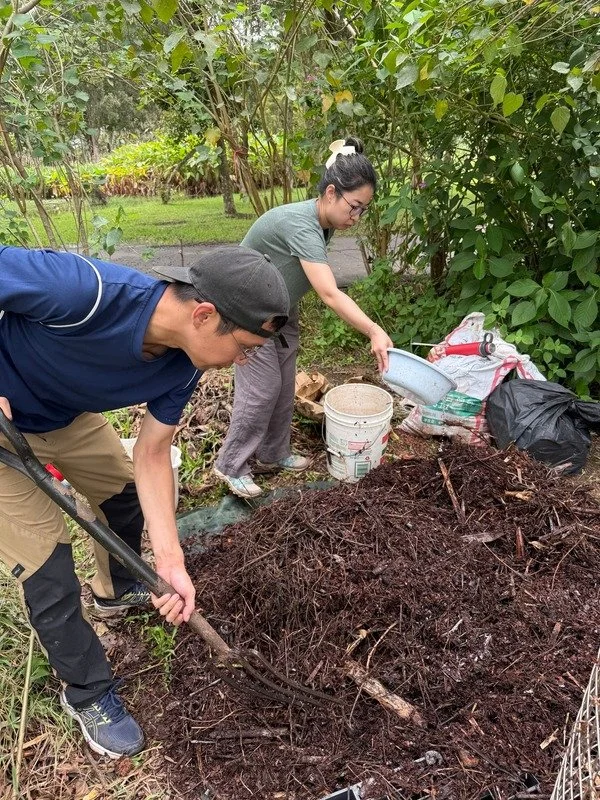
Poring over the research artefacts, I find myself growing acquainted with the soil companions’ frames of attention. Their deep understanding encompasses the technical knowledge on soil regeneration, attunement to the local ecologies, as well as an ongoing awareness of the interconnections between human practices and ecosystem health. This awareness allows them to work skilfully with the ecological as well as the socio-relational aspects of food-growing in Singapore. The work of soil companions highlights a crucial link that is often overlooked: soil security is food security.
Alongside the deeply-held knowledge of the soil companions, I also encountered glimpses of human-soil intimacies, rich networks of knowledge sharing and learning, the cultivation of new relational structures, negotiations around land and differing practices, orientations of interspecies care and hospitality, spirit of experimentation and openness to re-imagination.
It was working through these materials that convinced me to give it a shot and put some Sunn Hemp seeds into the reluctant clay soil in my garden.
“So when the plant is meant to die, it will die. I mean this will come as a surprise for many people because even when a person [we] know is dying [we will] try to revive this person right?
Actually sometimes that’s not the law of nature. When something dies it regenerates the soil and that’s the time when you allow a new generation — a new species — to grow on that same soil…In fact, the Brazilians farmers have a saying that pests are messengers from plants telling you that they are sick.
Are you going to kill your messengers? Of course not. You are going to fix the health of your plant. So whenever there are pests I try to fix the health of my plant. And when the plant is too old, which I will know, I will not try to fix it anymore. I would plant something else.”
The nurturing of soil is slow, patient work that takes place usually behind the scenes, underground. The slow work that is necessary before the melon is harvested, before the first earthworm sightings take place.
In working with the gardens which often start with subpar, compacted and neglected soil (mostly clayey with little life), soil companions bring with them a spirit of care, experimentation and inquiry, keeping ecology at the front of their minds as they employ a range of regenerative practices to prepare the soil for safe, edible plant production.
Much like the intuitiveness of a seasoned chef or a deft potter, there is a quality of reading the land that comes only with time and embodied engagement with the field.
The practices employed by the soil companions are responsive to the ecological and social conditions of the garden sites and a close reading of the research materials revealed quite clearly that there is no blueprint, no one method to be applied across all sites, but rather a playbook consisting of a repertoire of practices that continue to grow, evolve, and integrate into deeper qualities of knowing. Very much a call and response where attention and attunement come before methodology.
1- This research paper “The Garden as the Field: Following Soil Regeneration Practices with Participatory Soil Science in Singapore” published in Agriculture and Human Values by Huiying Ng, Toh Han Jing, Wuan See Vivian Lee, Edgar Raeben George, and Varughese Philip presents the qualitative findings of the 3-year project undertaken as a collaboration between the Soil Regeneration Project, a community-led initiative, the National Parks Board’s (NParks) “Community in Bloom” (CIB) programme, and the NParks “Plant Science and Health Laboratory. The paper can be accessed here: https://doi.org/10.1007/s10460-025-10757-6
2- Haraway, Donna. 2003. The Companion Species Manifesto: Dogs, People, and Significant Otherness. Chicago: Prickly Paradigm Press.
Regenerative practices employed by soil companions
Everyday soil care through composting and mulching
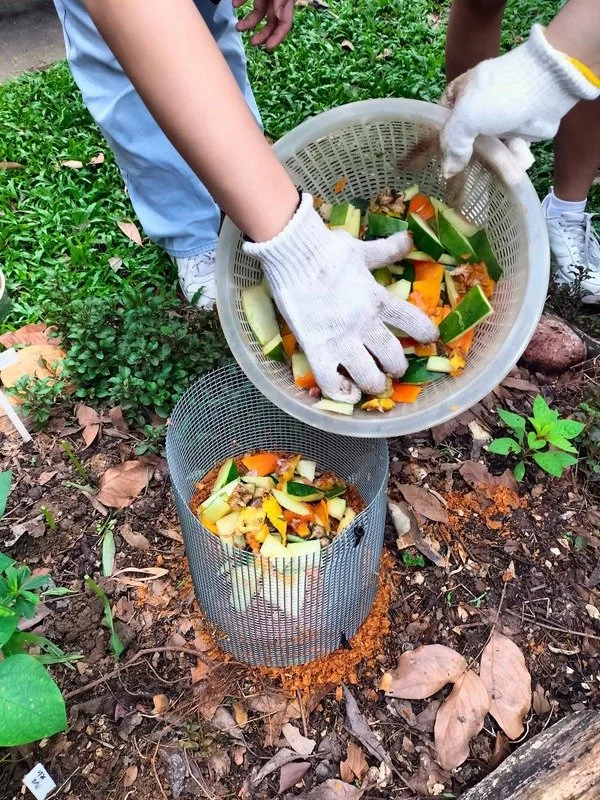
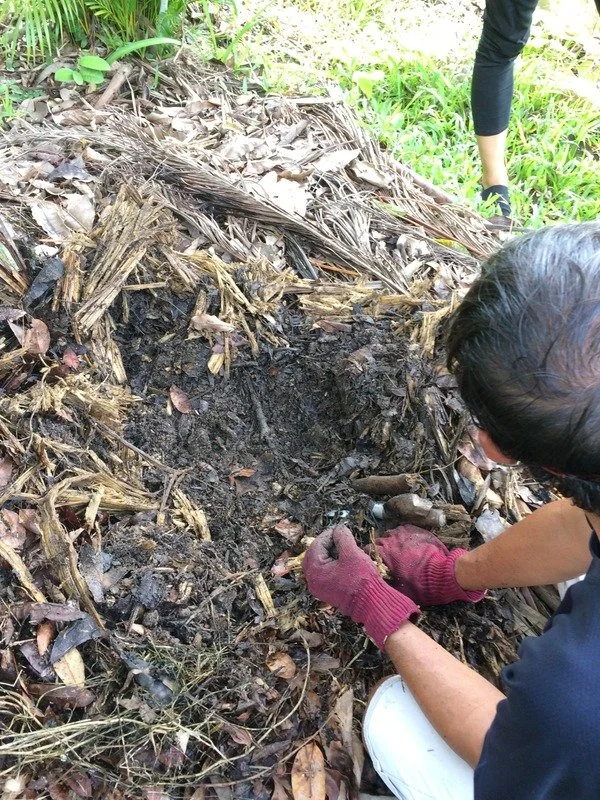
All gardens consistently engage in the practices of burying organic matter, composting and mulching. Soil companions bury small amounts of fruits and vegetable scraps as well as plant trimmings in the garden beds on a regular basis throughout the growing season. The size and methods of composting varied slightly among the different gardens depending on the space and manpower available, and the type of compost the garden needs (fungal-based compost or bacteria-dominated compost³). To ensure that soil is not exposed, the gardeners plant cover crops and also rely on dried leaves, grass, and green manure as mulch.
Improving soil before growing food
The soil companions made it a point to grow plants specifically as green manure, to loosen soil and to improve the soil. Some of the common plants grown across the gardens include sunn hemp, pigeon pea, lemongrass, mombasa grass and legumes such as green beans and jack beans. The mix of edible and inedible plants also reflects how soil improvement is prioritised over growing food, reflecting their understanding of building soil as an important foundation for healthy food production.
One of the most common practices used in preparing the grow areas was to create modified Hügelkultur beds⁴ to increase biomass in the soil and to keep the soil nourished for months to come. After creating the Hügelkultur bed, some of the soil companions started planting directly on the bed within two weeks, while others waited at least 3 to 6 months for the organic matter to break down before growing in the bed.
Cultivating a balanced ecosystem
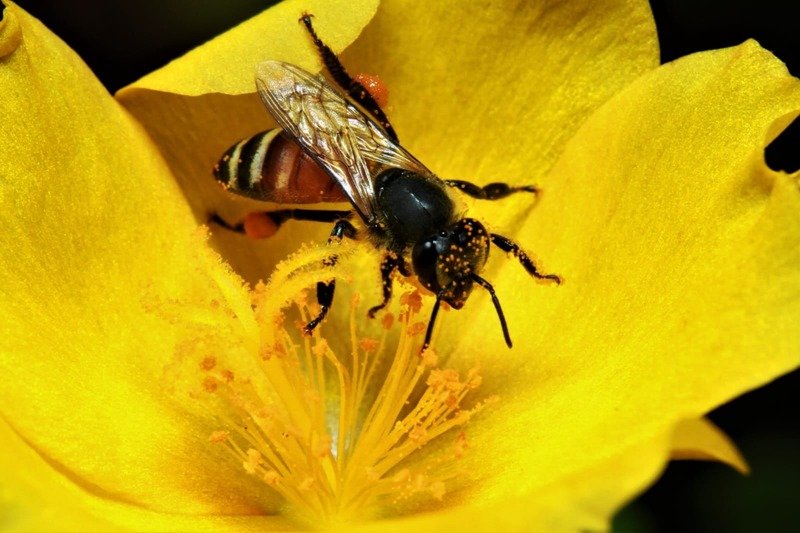
Rather than optimizing for produce/harvest, soil companions focused on creating a balanced ecosystem. These measures range from the planting of ornamentals to attract a diversity of pollinators, to making sure there is diversity in the food scraps that make their way to the compost piles.
Managing resources and encouraging circularity
Some gardens had excess water while others could not retain water. To mitigate flooding in low-lying gardens or retain moisture in sandy soils, soil companions create banana circles5, sometimes along with swales6. Banana circles also serve a convenient composting area where nutrients can be cycled. This is possible as the soil companions have an understanding of the relationship between the ecology and infrastructure of the land, the characteristics of the soils, the range of ecological functions banana trees have, and methods of utilising organic matter to create a soil sponge.
Planting native edibles
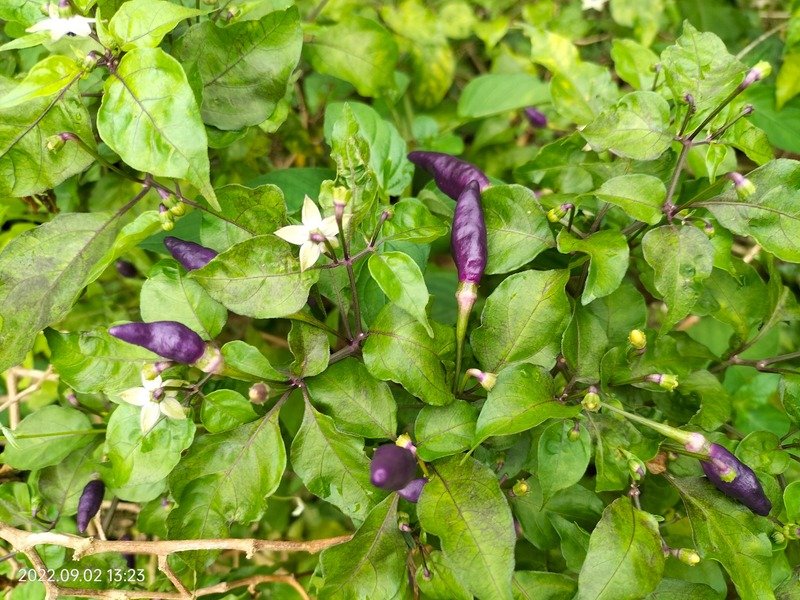
Besides growing plants for regenerative purposes, the soil companions grew many edible plants for human consumption. These plants however are not the typical Asian leafy greens that one can find in the supermarket but edible plants that are native to the region of Southeast Asia. Some of the plants grown include peanuts, mugwort or ai cao in Mandarin (artemisia vulgaris), papayas, ginger, turmeric, tapioca, thai and holy basil, brinjal, lemongrass, eggplants, citronella, purple chilli, and many more. These plants thrive in a wet tropical climate and are resilient to pests and diseases, making them ideal candidates compared to non-local plant varieties. Much of this knowledge of native plants exists within local knowledge, carried forth through informal sharing within communities.
Cycles of experimentation and learning
Garden sites also become test-beds for experimenting with different methods of composting, rotating plants and observing how similar plants respond to different conditions at the same site, testing out different sizes for plant beds.
“[the garden] is quite low maintenance. The bulk of the work is not to maintain it, it’s to try technique, because I see some places where stuff doesn’t grow – not where I expect. So the work in the garden could be, maybe digging, carrying logs, and stuff like that. It could be expanding [the site], it could be harvest, that could take some time. And then, cutting, mulching.”
The cold composting method yields fungal-based compost which is better for woody plants, and the hot composting method yields bacteria-dominated compost which is more ideal for growing leafy greens.
Traditionally, a Hügelkultur bed takes the form of a raised bed in the shape of a mound that is built with logs and plant debris and covered with compost and soil before plants are grown on top. This age-old technique is commonly used in biodynamic agriculture and has been adapted in permaculture practice.
A banana circle is a permaculture technique where banana plants are planted in a circle and a pit is dug in the centre. Organic matter is added into the pit and over time, the detritus and nutrients from the pit help to nourish the banana plants.
A swale is a contour-following ditch used in permaculture to capture water in the landscape for passive irrigation and slowing runoff.
Relational Architectures and Social Ecology
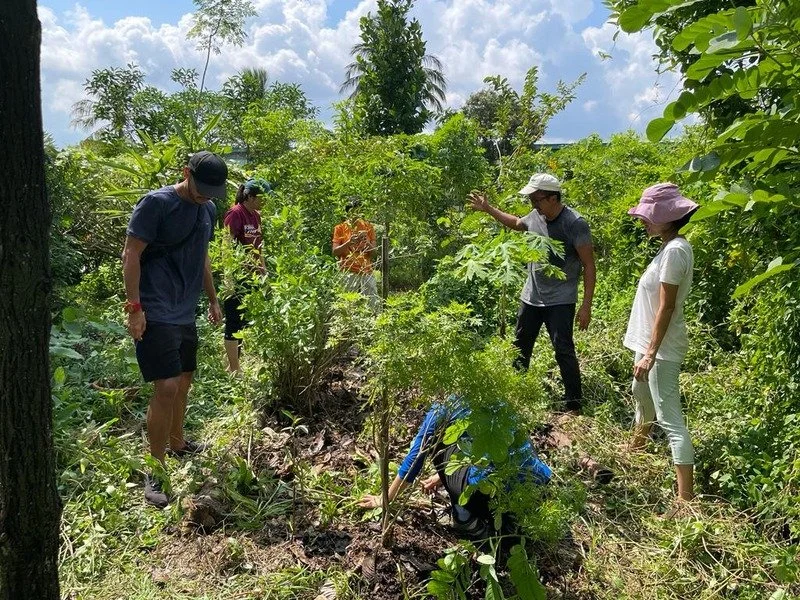
Gardens serve as nodes of activity, often sitting at the confluence of resource trajectories with individuals and groups coming and going, participating in the cycling of resources by contributing food scraps, sharing seeds and cuttings, harvesting the fruits of labour, offering the gift of time and attention.
However, tending to lands as a commons is a complex, evolving process, one that requires ongoing negotiation and compromise. One doesn't have to go very far along in a conversation about community gardens before a common point of contention comes to the fore: the messiness of social relations.
These spaces bring together people from diverse backgrounds, each with unique expectations, values, levels of commitment and care, which can lead to conflicts over the use of shared space. Even between members with a common goal of soil regeneration, an inclination towards a practice over another could lead to inevitable tension.
The work of soil companions involve significant emotional labor, and they find themselves “compromising where possible and often adapted their practices to ease the conflict while keeping the soils healthy and safe”⁷. This involves:
“There are concerns from other people about mulching because they think that mulching actually attracts mosquitoes but then it’s not true. Tall grasses and mulching only attract mosquitoes when people throw rubbish into these areas. But there are some plants that will trap water, like those calatheas and yam plants so I try to inspect them all the time just to make sure that I got all the water out.”
Bridging communication
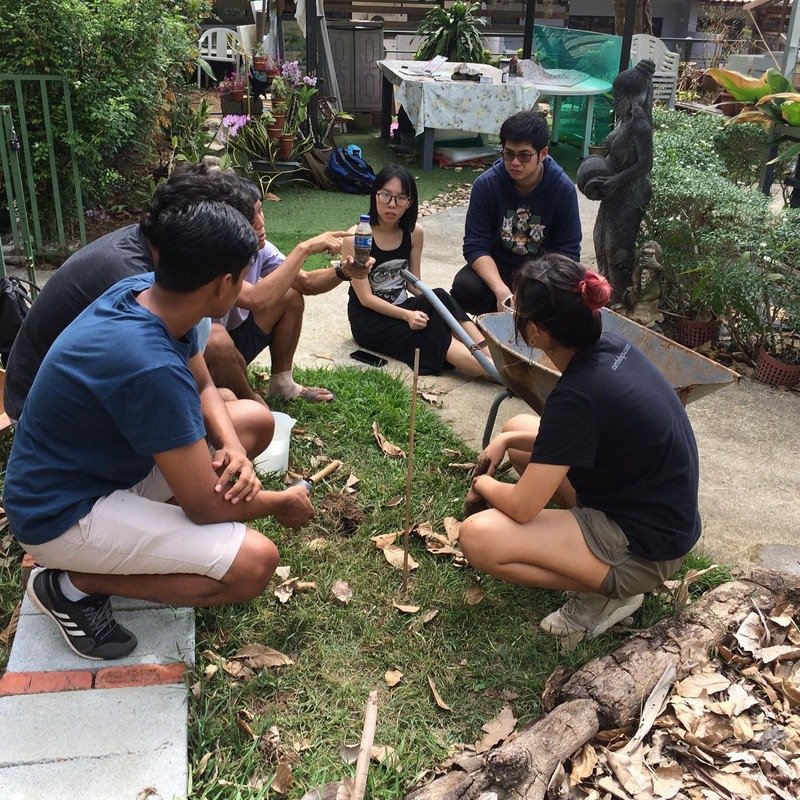
One of the key aspects of the soil companions’ practices is working with existing resources such as leaves, logs and food scraps in the garden instead of buying soil amendments. While these materials can readily be found around the garden, soil companions sometimes encounter issues accessing these resources. In one garden, the soil companion had to involve NParks to negotiate access to fallen leaves, which a school's cleaning staff needed to keep as evidence of their work.
Managing conflicting aesthetics
In one garden, a Hügelkultur bed was perceived by some residents as a "burial mound," causing unhappiness. To resolve the conflict, the soil companion modified the bed, burying it below ground. At other sites, they put in significant time and effort manually cutting mulching materials into small pieces, arranging logs in straight lines to maintain a "tidy" appearance and provide visual peace of mind.
Negotiating ecological practices
An important aspect of soil regeneration is to encourage biodiversity and reduce the use of synthetic chemicals that would disrupt the wider ecology within and around the gardens. For example, soil companions must often be physically present to remind contractors to refrain from fogging or applying pesticides near the garden areas.
The garden is a microcosm of society. One could see it as a mirror simply amplifying dynamics playing out on a larger societal scale — patterns of inclusion and exclusion, power-over/power-with, reciprocity or lack thereof.... Though because of that, one could come to regard it as a sandbox or dojo⁸ of sorts — a container with which to practice and cultivate new relational architectures and openings for collective reckoning.
7- See Note 1
8- Dojo, used here as a metaphor, refers to a place typically present in the field of Japanese martial arts for experiential learning and practice.
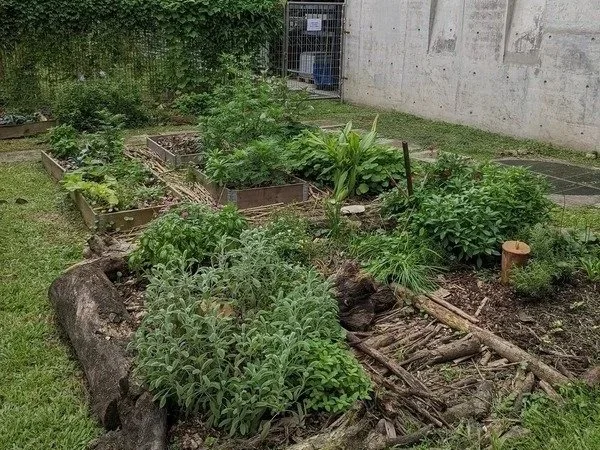
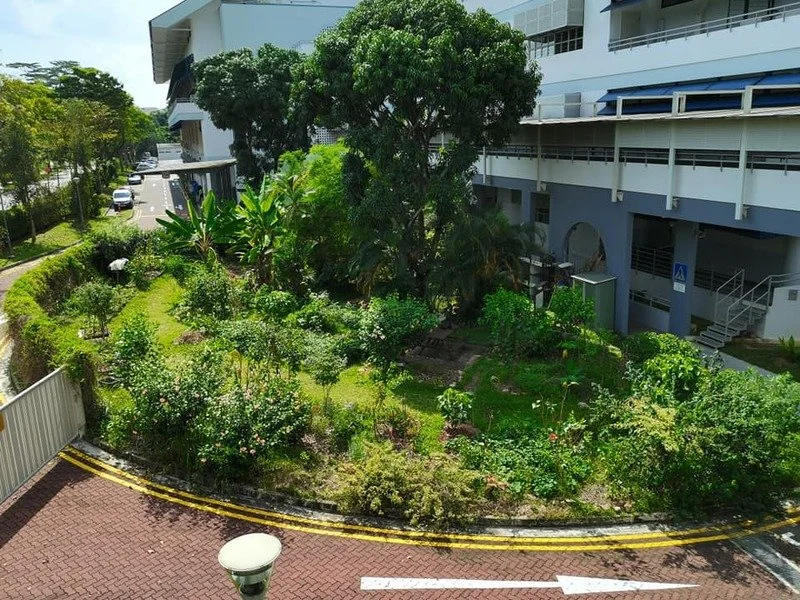
SITE: Wah Son [WS]
Tended to by soil companion, Ee Peng
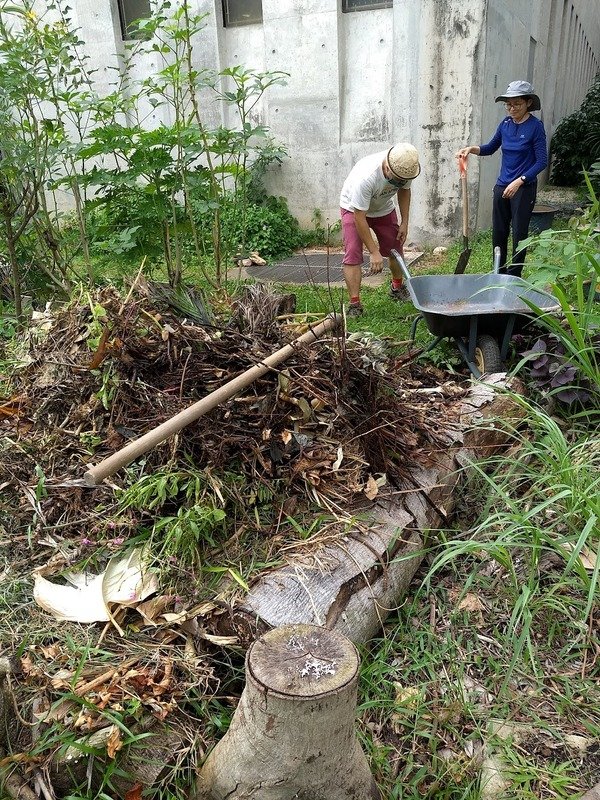
The garden is located within an aerospace factory. The garden spans multiple areas in the compound, including between buildings; different locations receive different amounts of sunlight and rain. Mainly maintained by a part-time hired staff and a few volunteers on a weekly basis. Initiated by the executive director of the company, the garden was set up to produce food for the in-house canteen, and also to compost scraps from the kitchen.
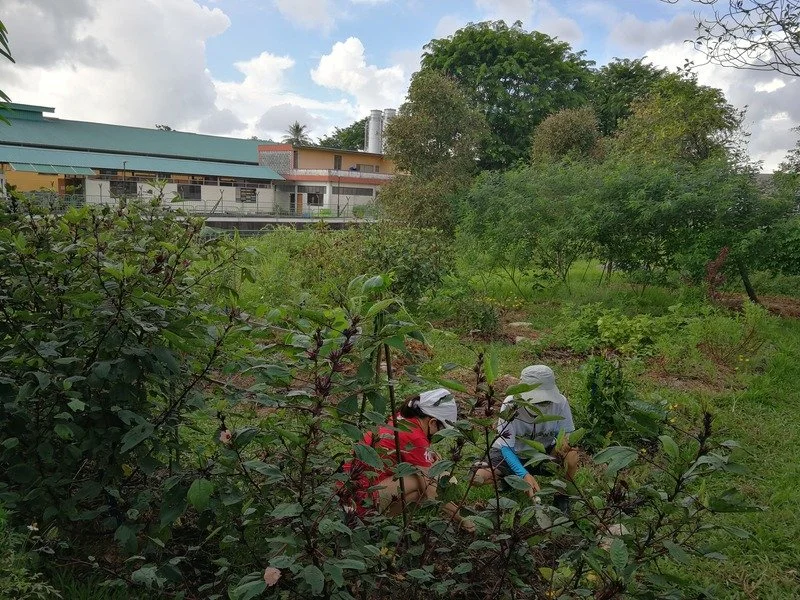
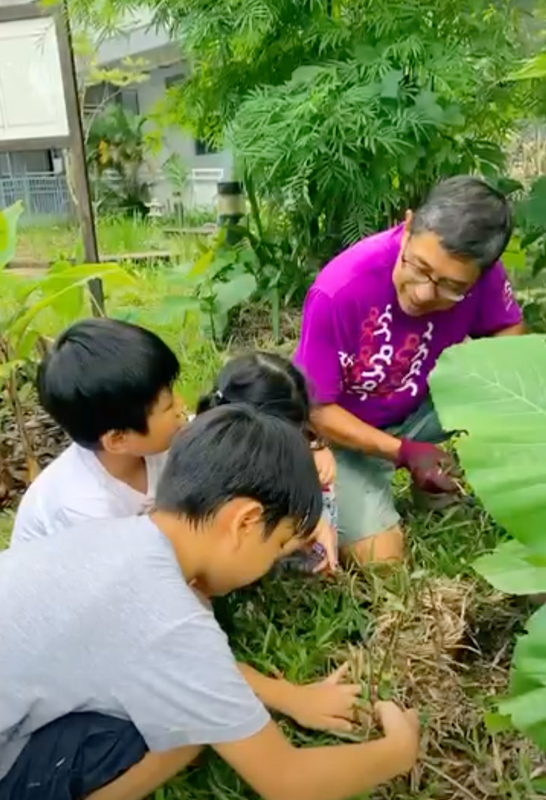
SITE: Boon Lay Nature Garden [BLNG]
Tended to by soil companion, Kiat Lay
Situated within a neighbourhood park with open access, this experimental site was created as a partnership between a local group, Foodscape Collective, and the National Parks Board in 2019 as a pilot project to explore the possibilities of agrihoods in Singapore. The garden is cared for by residents living nearby as well as volunteers from Foodscape Collective.
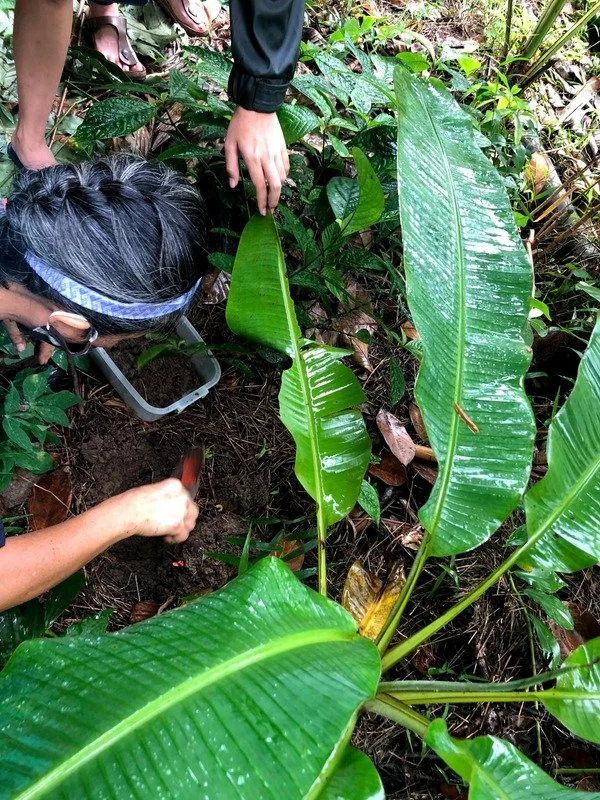
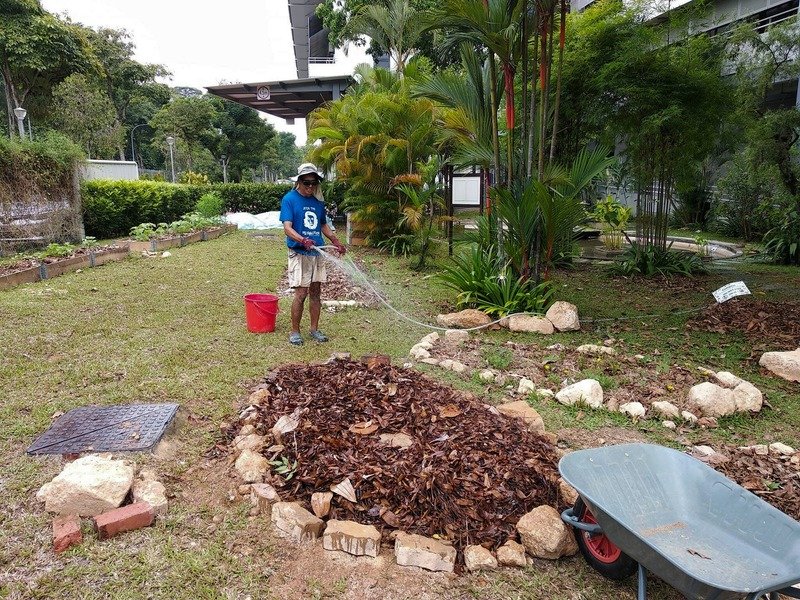
SITE: Wessex
Tended to by soil companion, Norbert
Sits just outside the perimeter of an old train corridor, hidden by trees. The garden sits at the base of a hill on its own, a significant distance away from traffic, and attracts more wildlife than humans. It is fully exposed to the natural elements of sun, wind and rain, and consists of loamy soil. Accessible to the public but frequented by neighbours who know its location. Contrary to other gardens, there was no construction debris in the ground when the garden started in 2017, and only golf balls were found. The soil was found to be quite loamy and sandy.
SITE: Kembangan [KBG]
Tended to by soil companion, Marcus
A fenced/gated community garden set within a park, surrounded by terrace houses. The garden consists of some concrete waist-high raised beds cared for by a local resident, while the rest of the garden is land which has been transformed into edible grow beds by the gardener which we interviewed for this study. The gated garden is padlocked and has relatively low footfall.
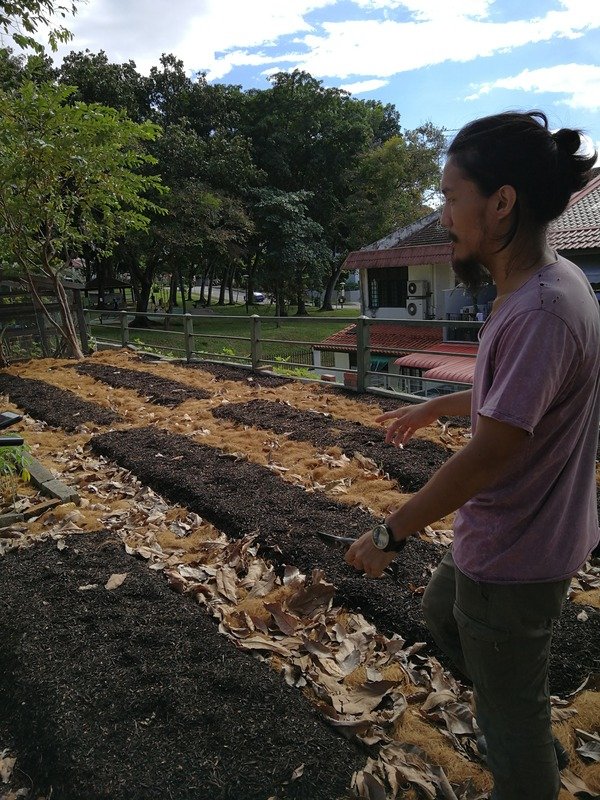
SITE: Methodist Girls’ School (MGS)
Tended to by soil companion, Tang Hung Bun (“Mr Tang”)
Situated within a school compound and is accessible to both students and staff members of the school. Created in 2019, the garden was found to have clayey soil with lots of construction debris such as huge rocks that were buried in the soil. This debris was left behind when the school was constructing one of the buildings just beside the garden. During the period of construction, the garden was used as a holding space for heavy construction materials which resulted in a slope created on the land.
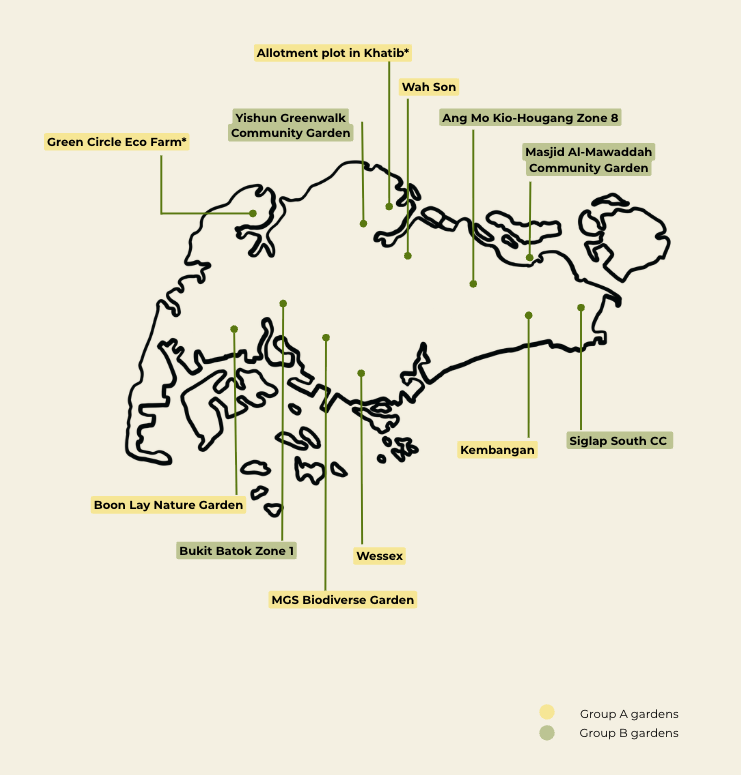
The map reflects the gardens and sites that were part of the soil regeneration project.
Group A gardens are sites that were already practicing soil regenerative methods. Group B Gardens are newer to these practices and interested in incorporating soil regeneration practices. As part of the 3-year study, interviews, fieldwork and soil tests were conducted at these sites to learn more about the soil regenerative practices in the urban context of Singapore, across sites of varying conditions.
*These two gardens were part of the initital phase of the study
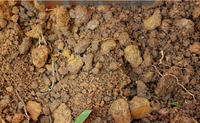
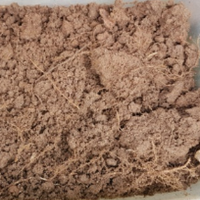
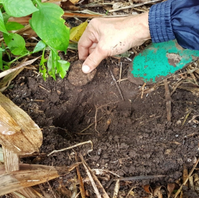
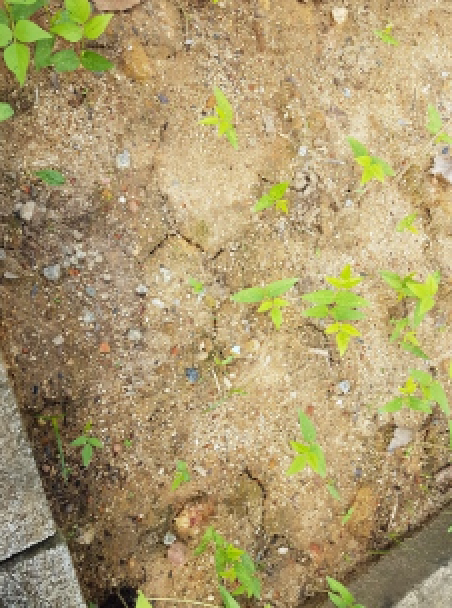
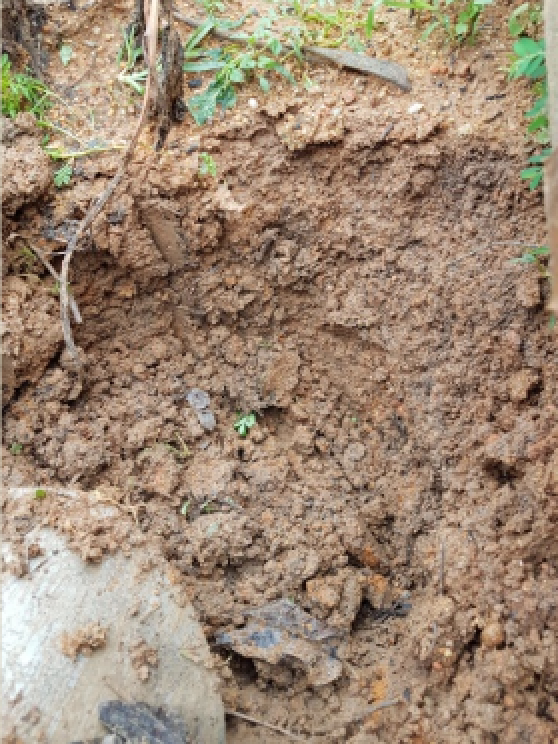
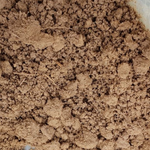
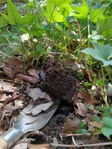
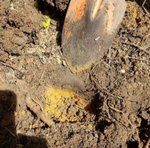
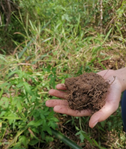
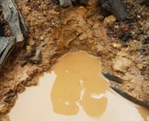
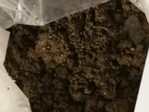
Soil samples taken from various gardens and sites during the 3-year study on soil regeneration.
Left image: soil before regenerative practices were applied
Right image: soil after regenerative practices were applied

Forging Soil Alliances
Beyond working with the soil, it is clear that the cultivation of relationships with various interest holders⁹ factors in as a key piece to ensuring the longevity of the efforts of soil regeneration at particular sites. This includes relationships with community volunteers, neighbourhood residents, and institutional bodies like NParks, Singapore Food Agency (SFA), Town Councils, Resident Committees (RCs) in the context of urban food gardens.
For individuals and organisations whose work centres around land, a sense of precarity is not unfamiliar. The past few years saw the painful closure of a number of land-based farms — the food forest at Green Circle Eco Farm (featured in this piece) was one of them; Green Circle closed in October 2022. At the end of 2024, Ground-Up Initiative also had to relocate to an adjacent site as their land lease came to an end. While no soil regeneration work goes to "waste", it is nevertheless a shame to experience this relationship cultivated over the years come to an end. Through accounts of fieldworkers¹⁰, it is learnt that work in private gardens like schools or commercial organizations may be discontinued due to a change in personnel; for example, after the change of personnel, it is uncertain what the state of the garden at Wah Son is and if soil regeneration practices continued.
The incessant drive of urban development in Singapore brings an inherent uncertainty to soil regeneration projects. Yet ongoing conversations with soil companions reveal to us that there is nevertheless room for work to be done, creative ways of working-with and cultivating a more extensive web of soil alliances.
In the last few years, "Permaculture" has entered the official parlance of our governing bodies and neighbourhood-scale composting projects have also garnered much attention. The NParks CIB programme increasingly includes gardens on rooftops, in schools, and parks; this builds on the needs planners have, of integrating food security needs into concentrated, highly-dense urban spaces. It has been encouraging to learn about the growing number of guerrilla gardens being recognized as legitimate sites offering social and ecological value; these gardens often sprout up at interim or underutilized green spaces outside the formal structures of NParks CIB gardens or the Allotment Gardening Scheme. This formal institutional support
lends weight to the legitimacy of a garden and factors into its longevity. The garden at Wessex (featured as part of the 3-year soil regeneration study) as well as Woodlands Botanical Garden (WBG) are two such examples; WBG started in July 2020 after the COVID-19 lockdown period and has garnered quite a fair bit of local media coverage. It is now lovingly tended to a group of 20 committed residents.
This development is something worth being optimistic about! I read this softening of stance as an encouraging and hopeful step that speaks of greater ecoliteracy — one that is rooted in an emerging quality of knowing that recognizes patterns of practices that are generative and life-giving.
“Singapore holds much potential for “little farms everywhere”, due to the many “not big and not small” green spaces within our housing estates.”
9- Stakeholders as a historic term has colonial connotations, originating from the settlers’ act of driving a stake in the ground in Indigenous territories. In light of that, this editorial piece uses interest holders as an alternative term, to refer to individuals or groups (eg. collaborators, community members, and allies) who are involved in and have a legitimate interest in urban soil regeneration and community gardening.
10- Fieldworkers are members of the research team undertaking qualitative research with the soil companions at the selected garden sites.
Methodist Girls’ School Biodiverse Garden
Soil companion: Mr Tang Fieldworker: Vanessa
[excerpts from a fieldworkers log, through the eyes of fieldworker Vanessa]
Date: 7/15/2020
Mr Tang related the history of the garden, and his experience uncovering construction debris in the ground and how he has since regenerated the soil over the past 1.5 years by creating his own soil.
Mr Tang bumps into a teacher and cuts 4-5 pieces of brinjals for him to take home to his family.
Date: 8/5/2020
We cut away the dead plants, leaving the roots intact and watched as Mr Tang planted some water loving plants (Pandan and Brazilian Spinach). The roots were intentionally left in the soil so that they can rot and feed the soil microbes over time.
While composting, Mr Tang relays that he does not rely solely on bacteria to break down his scraps. He also adds poor, unwanted soil to the pile for diversity.
Mr Tang was waiting for the cleaners to throw over bags of leaves, but they had not arrived all morning. The cleaners generally "donate" the leaves every week. Mr Tang is running low on leaves that he patiently decomposes in a wooden crate.
10 students came to rake the leaves and help in the garden. One of the girls had visited previously and so guided her friends in raking the leaves.
Date: 9/14/2020
Mr Tang tells me that the radish seeds he got from a French guy at GUI did not grow well here. Different climates. Principles like the law of return can be used everywhere but the results may not be the same. This is what the French call 'terroir'. "What is the terroir if you have a food factory or a high tech farm? You get the bland taste of the city."
Mr Tang says unlike the vertical farms that follow models, you cannot replicate natural farms. MGS will naturally have a different personality from [the garden at] Jurong Central Park, etc.
Date: 10/26/2020
Alexys and Mr Tang discuss sheet mulching and how preferences play into regenerative farming practices. Mr Tang tells us about a chinese saying, 水土不服 and how that applies to plants and the microbes in the soil. There are differences between control/domination and nurturing/caring for a plant. He reiterates that the brinjals that haven't been growing well are his fault because he caused a nitrogen-carbon imbalance in the soil.
Interviewer: A lot of [what you practice] is based on your knowledge and intuition. But are there any points when you don't know?
Mr Tang: Yeah. When a plant is sick I wouldn't know the exact reason why. So that's why when people say oh it's because it lacks this, lacks that…I wonder whether it’s true or not. Because to be medical doctor you’re trained for 5 years, 7 years, to know about the human body and how it works, the causes of diseases. For plants, there are so many different types of plants. You look at a sick plant and you know what the problem is? On the internet you can see pictures…Yellow? Lacks this. The leaf deformed like this? Lacks the other. No I don't think it works. For me, I think there's a lot we don't know. I just need to keep the whole environment healthy for the plant. I wouldn't know the exact reason why it dies. I would just say that it's the soil ecology that is not working well. So what I do is I would just add organic matter, put soil from the compost. Make it healthy. Hopefully it will recover. And often they do.
Like the brinjal plants. There was a certain period when the plants were not healthy. Now they are healthy, they have recovered. So what I think is happening is that now they have established a relationship — a good relationship — with the soil microbes….Of course I buried kitchen waste. I also added fish guts. Because my thinking is that fish guts would bring in some trace elements that the soil here may not have. So I think it helps.
Earth-tending, Food security, Well-being
Community food gardens have recently been proposed as a potential “fourth basket” for food security, not only in Singapore but in other dense urban spaces.¹¹
In June 2024, guided by The Circle for Human Sustainability's Founding President, Catherine Loke, Khatib Wellspring Farmden (farm-garden) hosted a Permaculture Design Certificate (PDC) course, a collaborative effort with the Nee Soon Zone B Residents’ Network, and several other non-profit groups in Singapore and Malaysia. This was the first PDC to be held in Singapore. I remember learning about this exciting news from the social media post of Carrie Tan, former Member of Parliament of Nee Soon GRC and champion of community food gardens. In the same post, she had openly expressed her hopes for active citizen participation in addressing food security, pointing out that “Singapore holds much potential for ‘little farms everywhere’, due to the many ‘not big and not small’ green spaces within our housing estates”. Reading this, I found myself nodding along fervently – I truly agree, and I’m glad to see this vision gaining traction in our public discourse.
It is important to note that the research on soil regenerative practices in Singapore took place largely during the Covid-19 lockdown periods. Despite the fall in numbers from formal food production, Singapore saw an increased interest in edible urban gardening during the lockdowns, with many starting to grow food at home or in community gardens in their neighbourhoods, parks and work spaces. At first glance, food insecurity would seem to be the obvious driver for gardening in such times. But more than that, gardening served as a way of helping people cope during those challenging times, offering respite from the spike in remote communications, and a grounded way of being in relationship with life again. What became clear during this challenging season was also how community gardens served as a natural third place¹², offering opportunities for connection and social participation within one’s local community.
Will small pockets of food-producing sites produce enough to feed a densely populated city-state? Honestly, I don't know. But I've jumped through these thought loops enough to learn that my inability to answer that complex question has never been in the way of my desire to tend to the soil, to grow things, to recognize the growing interest in soil-tending and food-growing as a promising sign.
“We don’t know how much food we can actually grow but we just need to do it. ”
Six weeks after planting, that row of Sunn Hemp now towers above me, tender stems swaying gently in the breeze. I find myself drawn to check on this short row every so often — not that there is anything to check; I simply enjoy stepping into what has become a bustling hub of activity. Bees hum among the dainty yellow flowers while butterflies drift through their bright constellation. Occasionally, I spot some birds visiting as well, for the occasional critter and also for taking shelter from the heat of the day. I know from these signs of life — the vigorous growth, the chorus of pollinators, the earth that no longer feels quite so stubborn beneath my feet — that something fundamental is shifting here.
The issue of food security is a pressing one, and pressing issues often demand and corner us into accepting “efficient, time-effective solutions”. Yet soil building and the cycles of plant succession are processes that do not abide by clock time. Neither do they yield to the demands of the urban beat. Instead, they run on their own ecological-multispecies temporality. And this is a blessing. A blessing because the presence of these gardens — these sites that exist and are sustained by a different set of logics and temporalities — serve as disruptions to the typical urban blueprint, offering openings where new urban configurations can be considered, and where new relations of care can be enacted.
11- Jose Ma. Luis, Montesclaros; Teng, Paul S. (2021). "Community Gardens: Singapore's "Fourth Food Basket"?". S. Rajaratnam School of International Studies. Retrieved 1 October 1 2025.
12- Coined by the sociologist Ray Oldenburg in the 1980s, the term ‘third place’ refers to social surroundings that are separate from the two usual social environments of home ("first place") and the workplace ("second place"). These third places are typically "anchors" of community life, facilitating and fostering broader community interactions.
