The Quiet Workers: Plants that Regenerate Soil
Collated by Lotus Liow Oi Lian & Megan Sin
Learning Trail →Begin Your Regenerative Garden Journey
Overview
In this article, we explore some of the plants that can help the regeneration of the soil. Contrary to popular belief, one of the best ways to regenerate soil is to have living roots from the plant in the soil. In fact, having any plant growing on soil is better than leaving the soil bare and exposed. Most of these plants that are great at soil regeneration tend to be quite hardy, allowing them to survive in less than ideal conditions and tolerate differing amounts of water, temperatures and soils.
Table of Contents
Edible plants
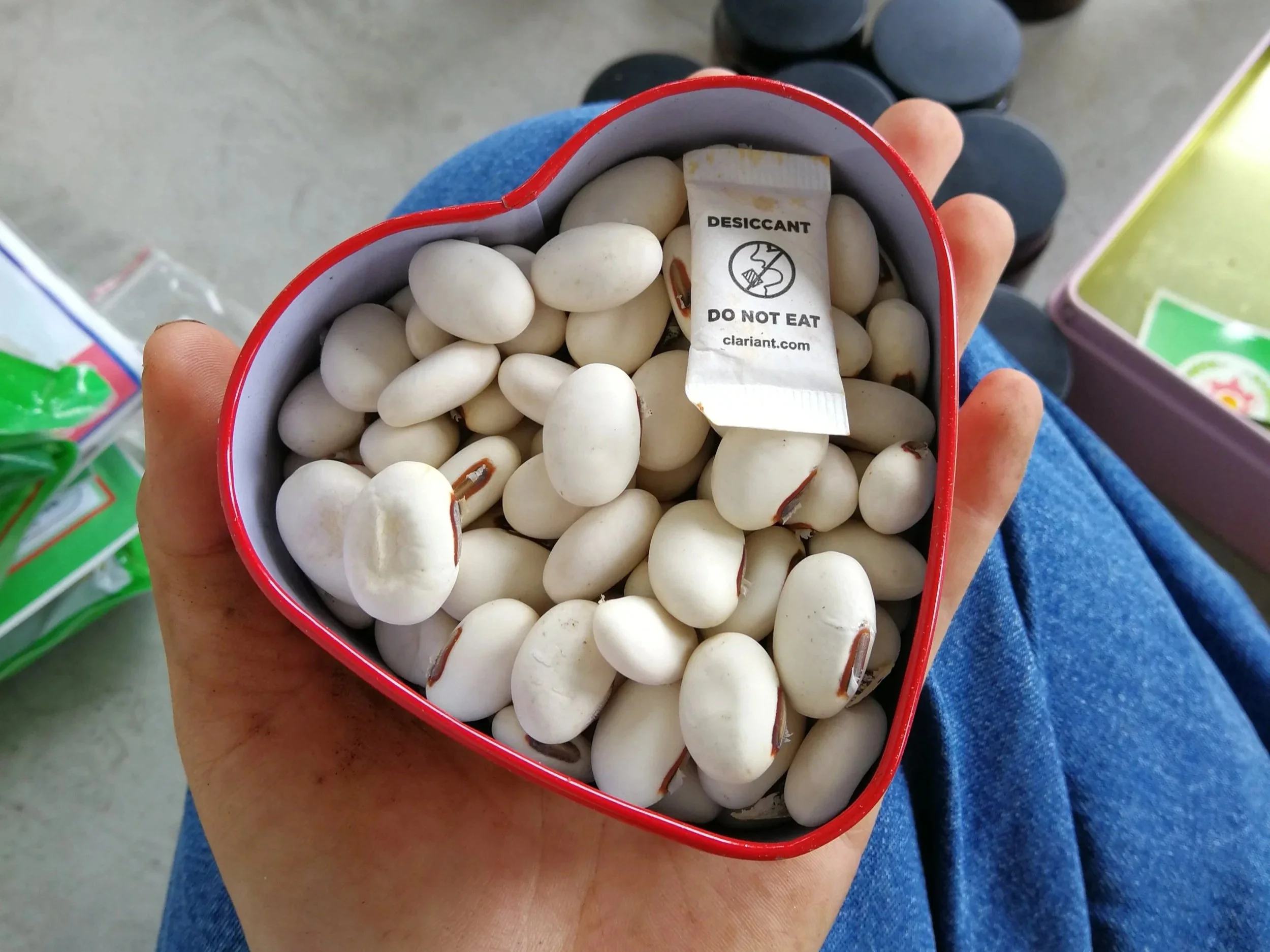
Jack bean
Scientific name: Canavalia ensiformis
Family: Fabaceae
Nitrogen-fixer · Edible pods · Bush variety · Pot-friendly
Jack beans are unlike the usual small beans that most people are familiar with in the supermarkets here in Singapore. The jack bean plant that is common in the gardens is the bush variety that does not need a trellis for support, and is therefore suitable to grow on rooftops or in pots. It yields big long beans that are usually about an inch in width, and 20 to 30 centimetres in length. The gardeners would harvest the young tender pods - these are the ones that are still flexible when bent - and then slice them up and stir fry them.
Jack beans are a staple in many of the gardens that we work with. Some gardeners favour the jack bean as it can be planted directly in hugelkultur plots without much waiting, and can yield produce in a short amount of time. In other gardens, jack beans are used as ground cover given that it is a low growing crop.
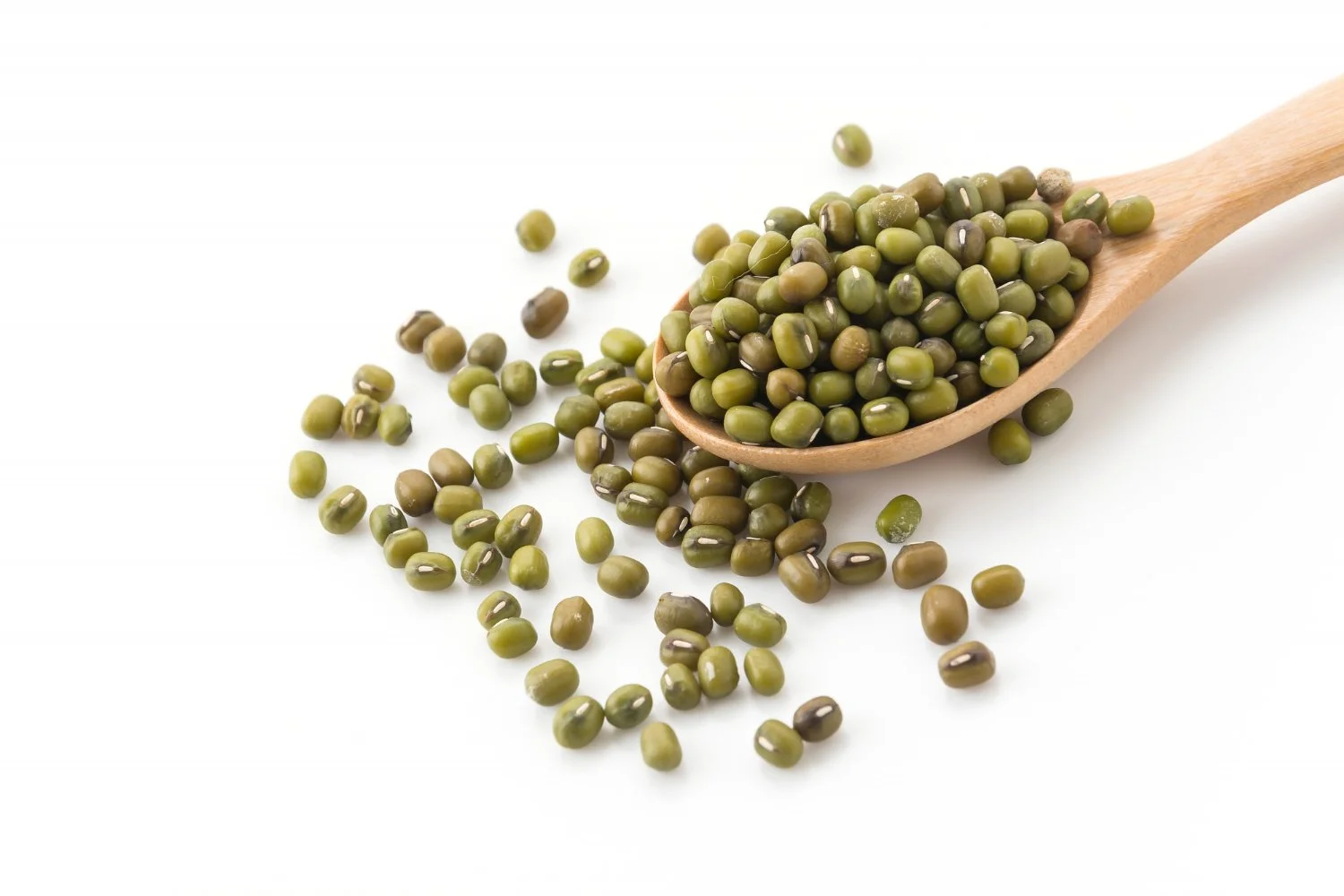
Mung bean
Scientific name: Vigna radiata
Family: Fabaceae
Nitrogen-fixer · Annual legume · Familiar in cooking
Most people know mung bean as an ingredient in both sweet and savoury dishes, for example mung bean sweet soup or stir-fried mung bean sprouts. Few probably know that as a plant it can also be used to regenerate soil. The mung bean plant is an annual legume creeper, whose pods yield the beans that can be eaten. As a legume crop, mung bean is associated with nitrogen-fixing bacteria and can improve soil fertility, thus reducing the need for nitrogen fertilisers.
The gardens under our research generally do not grow mung beans, either for soil regeneration or food. This is due to a couple reasons. On soil regeneration, gardeners either had challenges with growing mung beans or discovered better regenerative crops. For instance, mung bean plants were grown at the Bukit Batok community garden, however the gardener subsequently removed them as they became infected. Whereas as a food source, the challenge for community gardeners is that mung bean typically needs to be harvested in large enough quantities to be able to make substantial dishes from it. This coupled with the fact that mung bean is relatively cheap and easily available in Singapore results in a low incentive for gardeners to grow the plant.
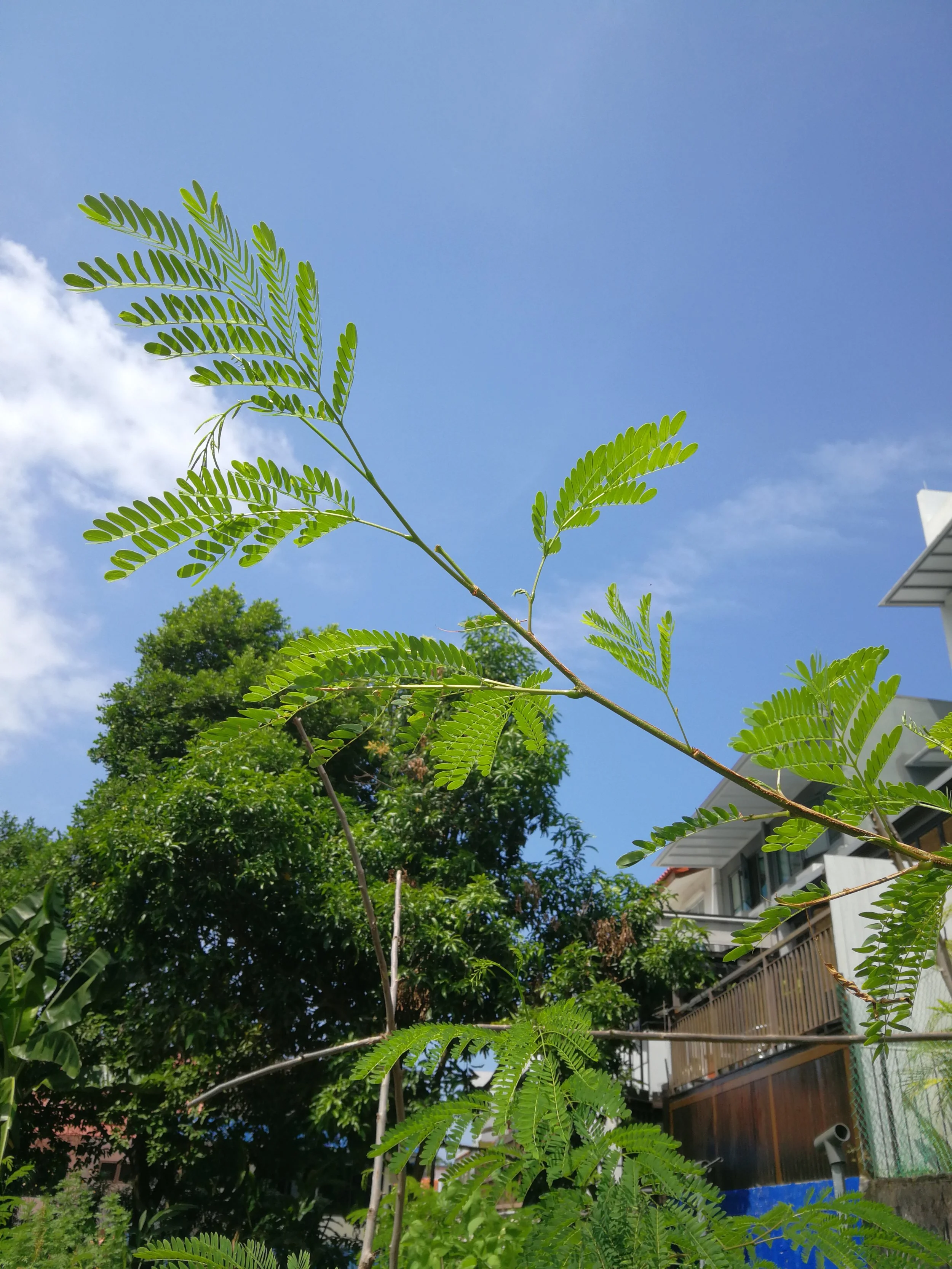
River tamarind
Scientific name: Leucaena leucocephala
Family: Fabaceae
Common names: Petai Jawa, Lead Tree, Ipil-ipil
Nitrogen-fixer · Tolerates alkaline soil · Chop-and-drop · Fast-growing
The river tamarind looks like a tree with leaves akin to the mimosa plant. It may grow to a small tree between 6 to 15 metres or grow to a large shrub, around 1 to 5 metres with dense strands of bushy crowns. It is a fast-growing plant with a relatively short lifespan of 20 to 40 years. Otherwise known as Petai Jawa, this name comes from its pods’ resemblance with the petai pod, in look, smell and taste. While not eaten as often in Singapore, its young pods are mixed into a peanut-based salad in Indonesia, or papaya salads in Laos and Thailand.
Commonly known as a “miracle tree”, the river tamarind is highly adaptable. It can withstand a range of soil conditions, from dry soils caused by droughts, to fertile, loamy and well-drained soils. It’s also able to tolerate poor infertile soils, soils with high salt content or soils with high pH levels.
As a nitrogen-fixing plant, the river tamarind consistently adds nutrients back into the soil, enriching the surrounding soil. This develops more favorable conditions that draw other plants towards the nourished soil, gradually taking over and replacing the river tamarind.
The river tamarind is suited to be grown in humid conditions and alkaline soil. The river tamarind seeds can germinate in a temperature range of 15–40°C and a pH range of 4–9. Most of the community gardens we tested in Singapore had alkaline soil, aka high pH levels. At Jalan Senang Community Garden, the gardener planted river tamarind to break up the hardened soils. In addition, the gardener also regularly prunes the plant to ensure it does not grow too big, providing space for the neighbouring plants to grow taller. The pruned leaves could then be used as mulch.
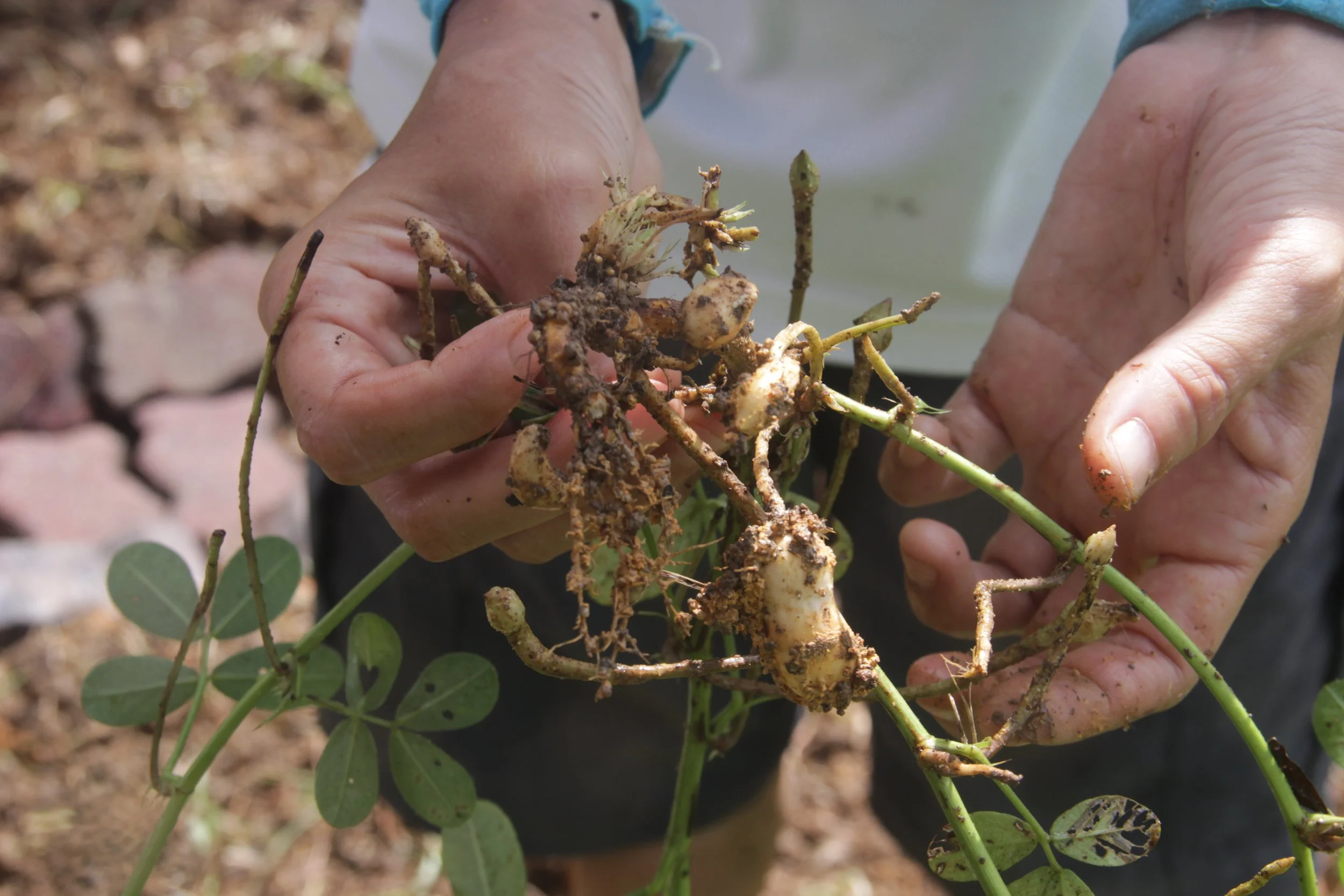
Peanut
Scientific name: Arachis hypogaea
Family: Fabaceae
Common names: Groundnut, Kacang tanah
Nitrogen-fixer · Deep roots · Weed suppressor · Bioindicator
The peanut plant is an annual shrub that produces edible seeds commonly known as peanut or groundnut. It is a rather unusual plant in that it flowers above the ground, but fruits below the ground in the form of the peanut pod. This is why the peanut is not a nut as it does not grow on trees like other nuts such as walnut and cashew. Rather, the peanut is a type of legume like mung bean and pigeon pea. As with many other plants in the legume family, the peanut is a nitrogen-fixing plant and is thus particularly valuable not just as a food crop but also as a plant that enriches the soil.
Apart from its nitrogen-fixing properties, the peanut plant serves several other benefits for the soil. Peanut has deep roots, often penetrating to a depth of 18 inches or more into the soil. With the deep roots, it can better find water during times of dry weather and obtain nutrients from the soil. In addition, the peanut plant can suppress weeds, reduce insect pests and diseases, and increase crop yield.
Grown in some of our gardens as a regenerative crop to improve soil structure, quality and nutrients, one of our experienced gardeners noted that the peanut plant can also be a bioindicator for good soil, in that when the root nodules reveal a purple colour on the inside when cut open, it shows that the soil condition is likely good.
Pigeon pea
Scientific name: Cajanus cajan
Family: Fabaceae
Common names: Congo pea, Yellow dhal
Deep taproot · Nitrogen-fixer · Fast biomass · Perennial
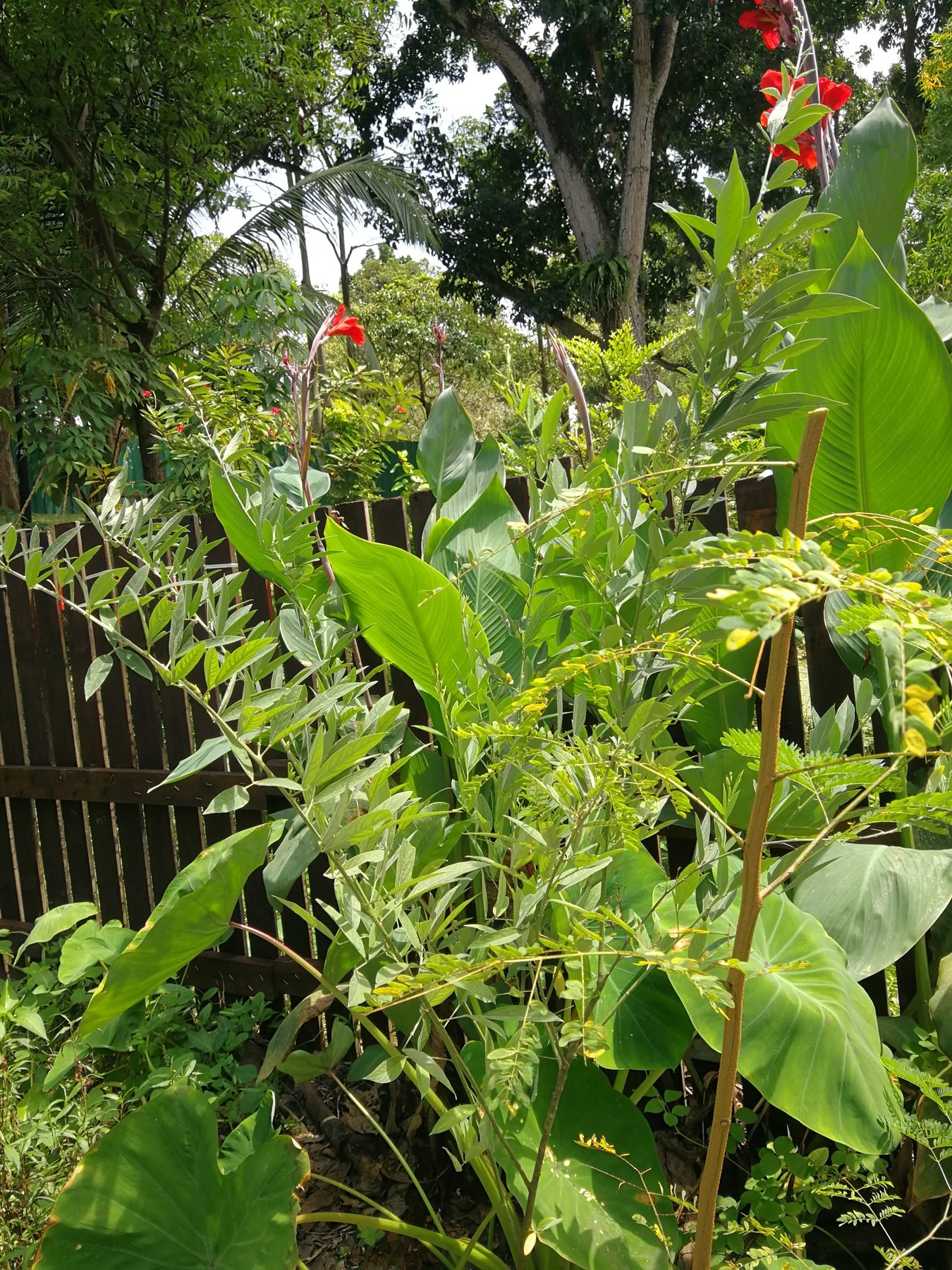
Pigeon pea is a perennial legume from the Fabaceae family, It is commonly cultivated in Africa, Asia and Latin America not just as a food crop (its seeds and seed pods are edible) but also used as forage, feed, and meal for animals, piggery, and fishery, as well as a cover crop for compacted soils because its deep taproot system opens channels for water movement into the soil.
The pigeon pea plant is known for being highly adaptable to a range of soil types, temperatures and rainfall, has a deep taproot system that can extend up to two meters (6.5 feet), and produces a large amount of biomass in a short amount of time due to its quick-growing nature. Leveraging on these unique features of the plant, many local gardeners grow this plant precisely to regenerate the soils. In fact, one of our gardeners had observed that the pigeon pea had grown very well in clayey soils but over time, when the soil improved, the plant actually got attacked by mealybugs and aphids.
Tapioca
Scientific name: Manihot esculenta
Family: Euphorbiaceae
Common names: Cassava, Ubi kayu
Loosens compacted soil · High leaf litter · Perennial shrub · Resilient
Ask our seniors about the common crops eaten during the wartime period in Singapore in the 1940s, and starchy root and tuber crops like tapioca and sweet potato would immediately come to people’s minds.
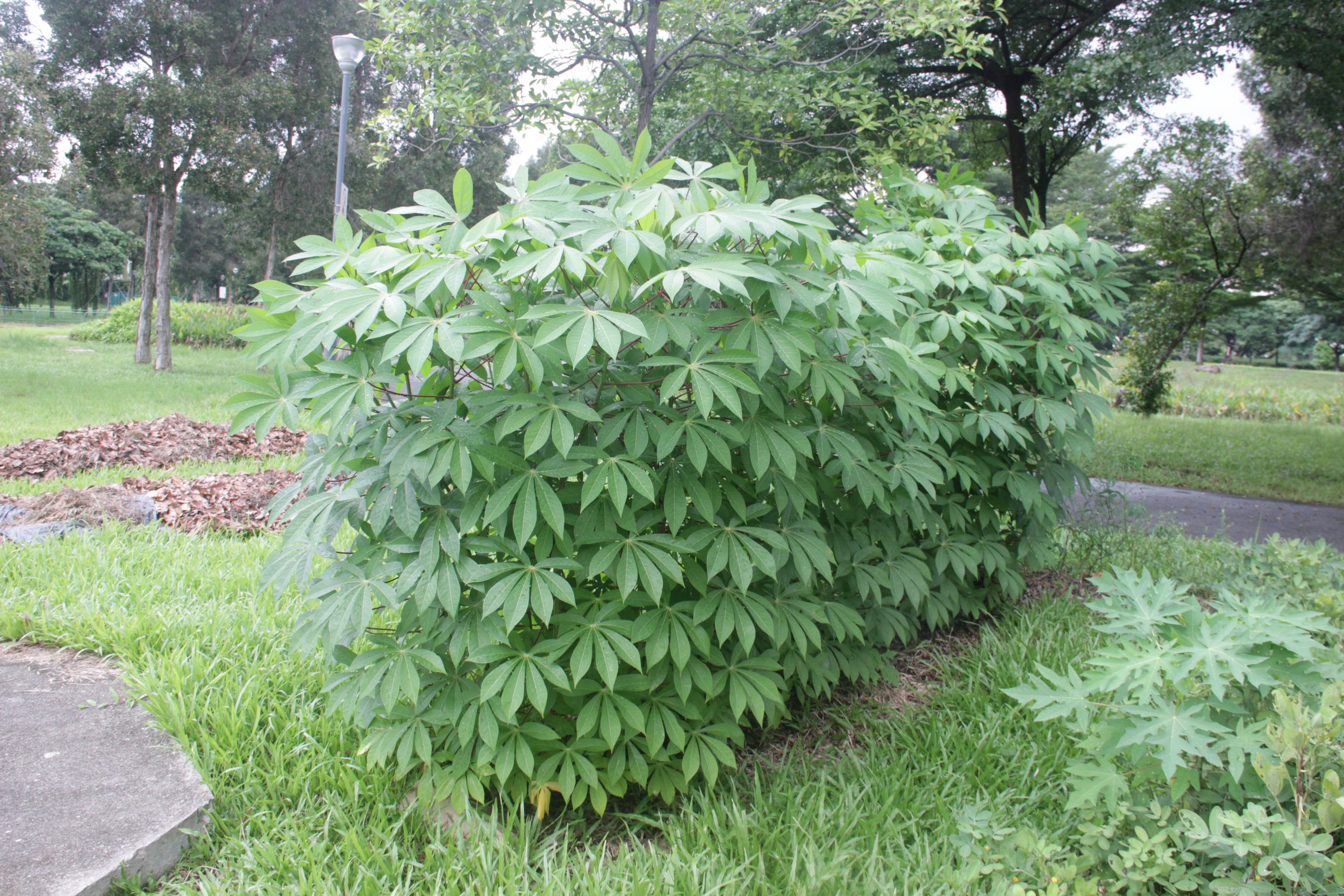
Tapioca is a perennial shrub with big fan-shaped leaves and whose roots can grow very big. It can grow easily in Singapore's tropical climate and withstand difficult growing conditions and poor quality soil, thus making it a resilient crop and contributing to food security.
Tapioca, also commonly known as cassava, is not just wartime food; it is also a crop that can regenerate soil. In two of our community gardens where tapioca is grown, ie, Wah Son and Wessex garden, our gardeners had noticed that the large tapioca roots that go deep can help to loosen compacted soil by making holes or pockets in the soil. When there are pockets in the soil, it allows oxygen to circulate in the soil, thereby creating aerobic conditions which are conducive for beneficial bacteria to grow. In addition, the high leaf litter production can shade the soil from the sun which helps in increasing the micro-organism activity in the soil; as well as act as biomass for mulching the soil.
Inedible plants
Mombasa grass
Scientific name: Megathyrsus maximus
Common names: Guinea grass, Mombasa guinea grass
Biomass producer · Aerates compacted soil · Fast-growing · Tall grass
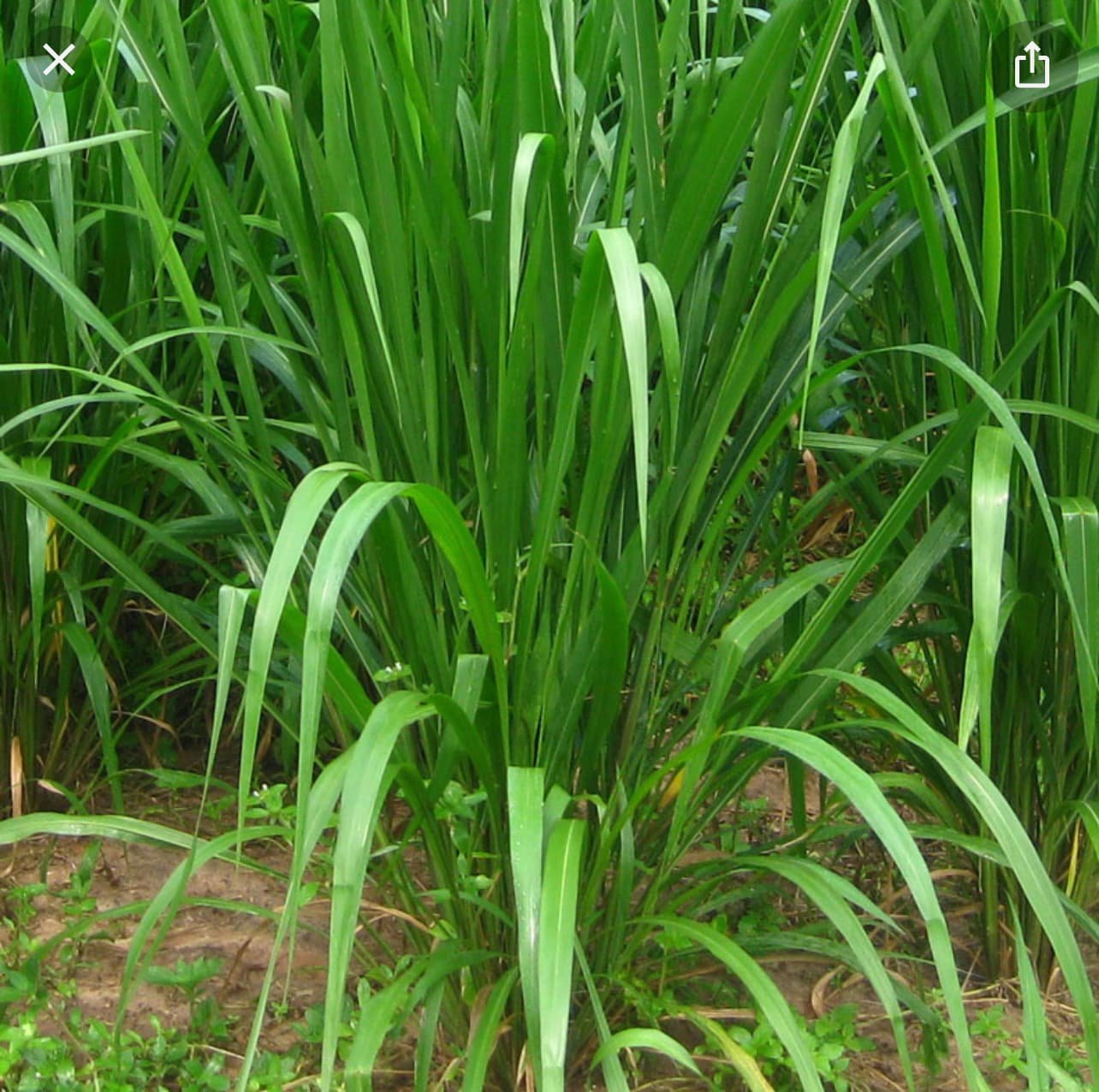
The Mombasa Grass is a tall grass that can stand to grow above human height. Left to grow on its own, it propagates easily as would most grasses. A field of mombasa grass could be mistaken as a field of unkempt weeds, when in reality, this underrated plant has been loved by many in the natural farming scene. This is because the plant is able to tolerate soil with poor health and has extensive roots that can penetrate through compacted soil and loosen it.
Besides physically aerating the soil, Mombasa Grass serves as great biomass. At the Wah Son garden, the mombasa grass is left to grow to about 2 metres before the gardeners harvest it and use it as mulch. The plant grows quickly in Singapore’s hot and humid climate, making it an ideal choice similar to lemongrass and citronella.
Sunn hemp
Scientific name: Crotalaria juncea
Family: Fabaceae
Cover crop · Nitrogen-fixer · Attracts biodiversity · Green manure
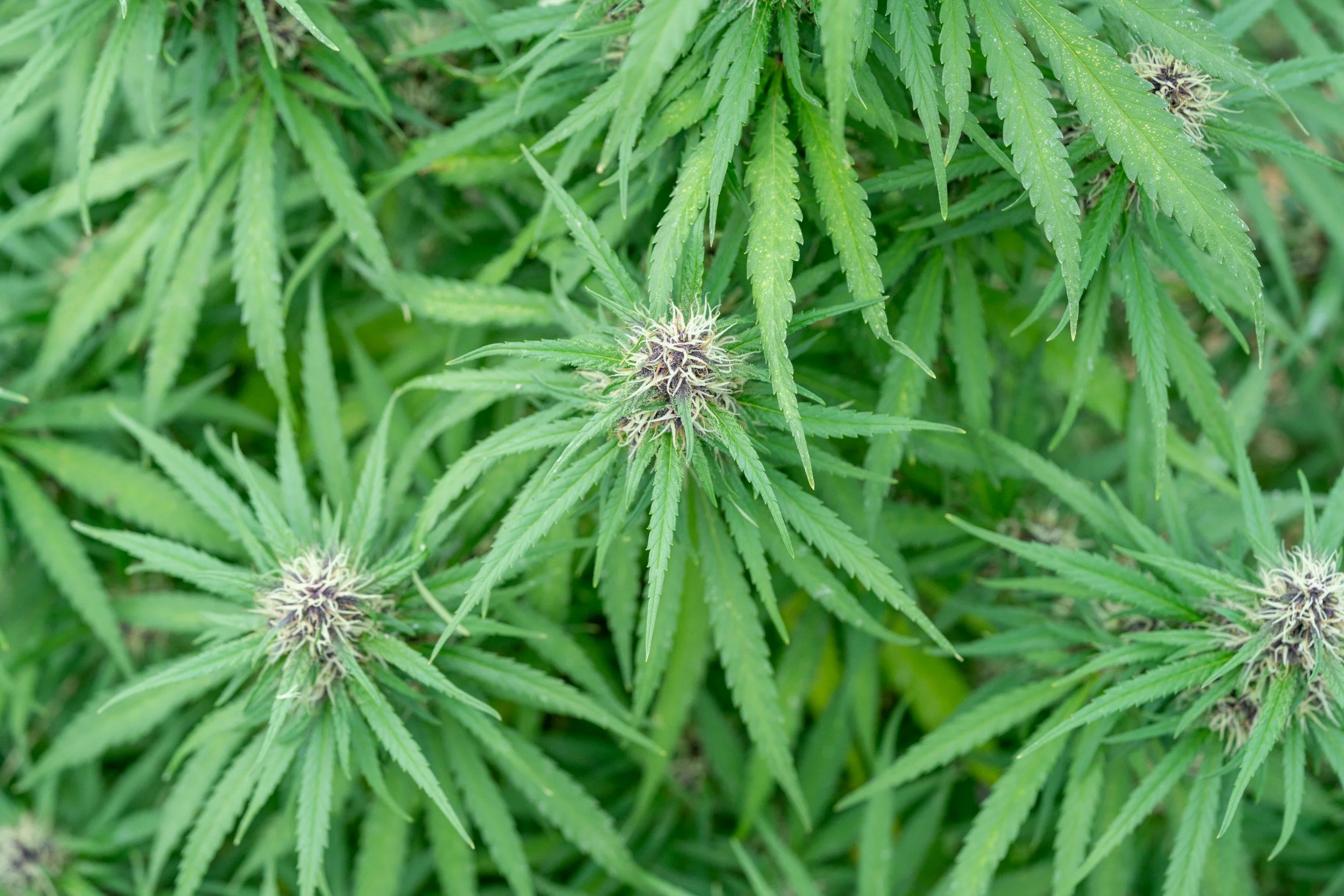
The Sunn hemp is a beautiful regenerative plant that grows easily in Singapore. The plant typically has oblong leaves, a slim stalk and clusters of yellow flowers. Given its bright and tall frame, it is ideal to grow Sunn Hemp as a cover crop on resting soil, allowing it to build soil life while it spruces up the garden’s appearance and also attracts biodiversity.
At Jurong Central Park, Sunn Hemp was also grown in a row as a wind breaker. Once it had reached a good height, the gardeners would cut the leaves and bury them in the soil as green manure.
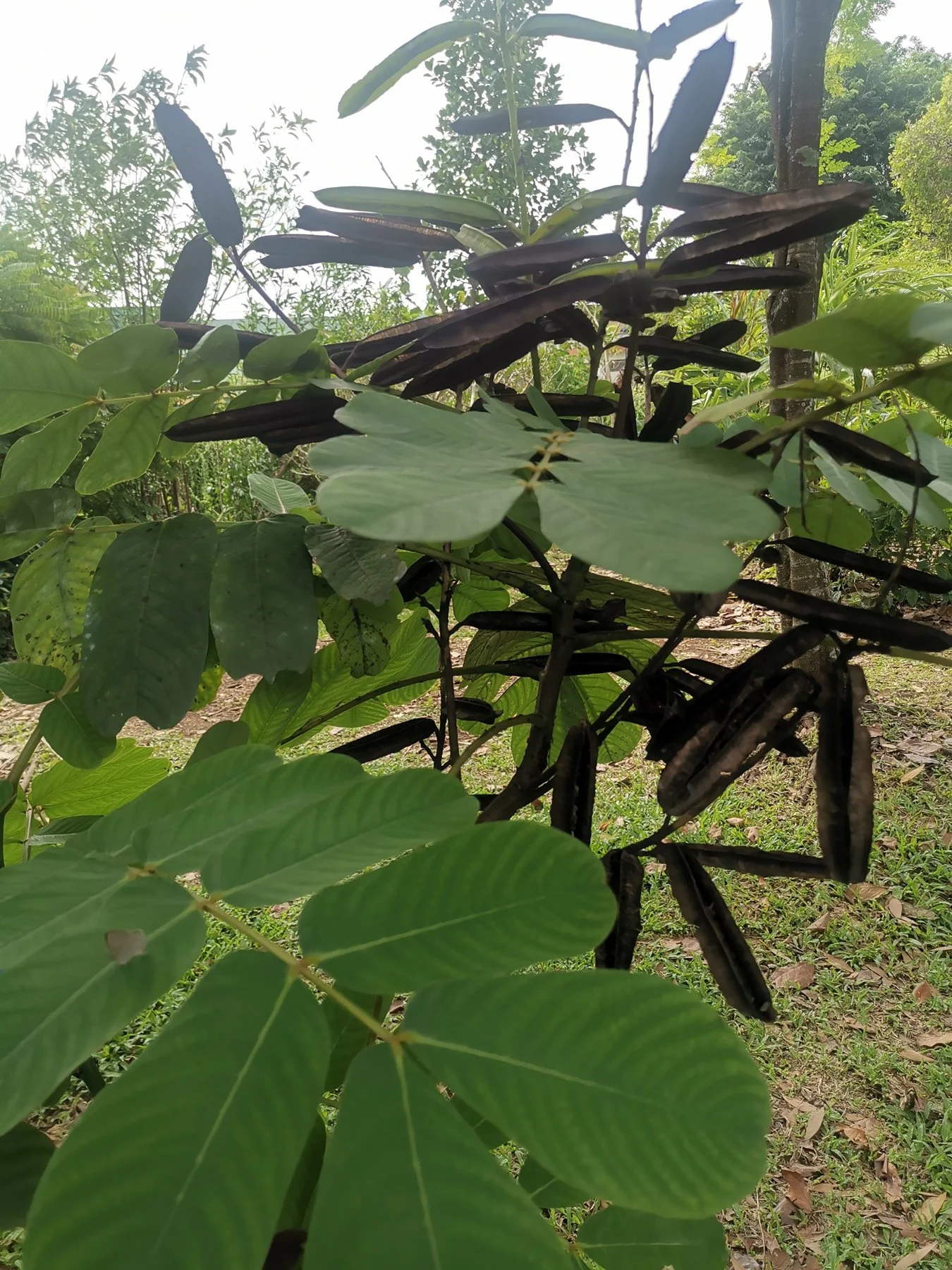
Candlestick cassia
Scientific name: Senna alata
Family: Fabaceae
Common names: Candlestick senna, Gelenggang, Ringworm bush
Nitrogen-fixer · Chop-and-drop · Attracts pollinators · Fast-growing
You might spot this plant along the pedestrian pavements and streets of Singapore. The candlestick cassia is a shrub that stands 3 to 4 metres tall, and has bright golden yellow flowers resembling tall yellow candles, hence its name the candlestick. Its leaves are as long as 50 to 80 centimetres and its fruit, shaped like a straight elongated pod, may measure up to 25 centimetres long.
The candlestick cassia is said to have various medicinal uses. It is also commonly known as the ringworm bush as it is known for treating ringworms and other fungal infections of the skin due to its anti-fungal properties. Other traditional uses include treatment of wounds, as a laxative, and for getting rid of intestinal worms.
The candlestick cassia can grow in various types of soil, is fast-growing and works great as a nitrogen-fixing, chop-and-drop plant. As the plant produces seed pods, the seed pods that are left on the plant would dry up and crack open, dispersing their seeds all around and regrowing. They provide a tremendous amount of biomass which can be used to mulch the ground to suppress the weeds and keep the moisture in. These plants do have an invasive tendency since the dried pods, when cracked open, can throw out many seeds. Therefore, removing the seed pods before they split open is one way to prevent the plant from becoming overgrown in the garden.
When the plant flowers, it attracts many pollinators, such as bees and butterflies. At Wahson garden where the plant was grown, the gardener observed that carpenter bees were often spotted around the plants. In addition, the gardener noticed that the plant did not grow well in looser soils, and instead preferred soil high in clay content.
Note: Before using candlestick cassia for medicinal purposes, it is important to consult with a healthcare professional to determine the appropriate dosage and to avoid any potential side effects.
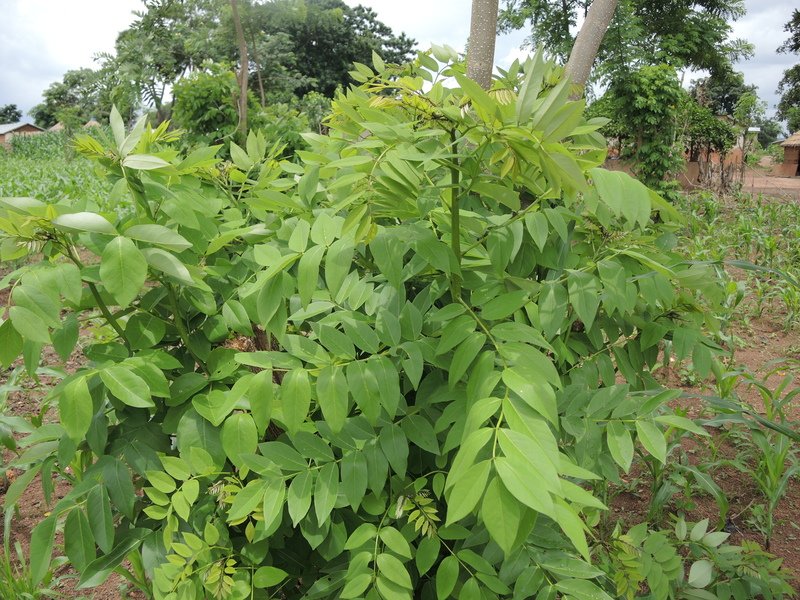
Gliricidia
Scientific name: Gliricidia sepium
Family: Fabaceae
Common names: Mexican lilac, Mother of cacao, Quick stick
Nitrogen-fixer · Living fence · Green manure · Coppice-friendly
As a tree that grows 10 to 12 metres, it seems just like any other tree to the unfamiliar eyes. Yet, it has its own iconic characteristics. Its bark can be whitish grey to a deep red-brown, with flowers located only at the end of branches with no leaves, a bright pink to lilac colour with a white tinge. Romantic much! Its fruits are pods around 10 to 15 cm, containing 4 to 6 seeds, green when unripe and turning yellow-brown when it matures. What iconic colours! Knowing these would definitely make it easier to spot these trees.
As one of its common names suggests, Quick Stick, it is a versatile and fast-growing tree, preferred by farmers for its varied contributions to the ecosystem and farming systems — its plants create living fences, with its fast-growing properties, it provides a consistent supply of fodder and green manure. The tree also grows well in soils of varying conditions, from acidic soils, to volcanic soils and even sandy, clay and limestone soils. Its ability to withstand these varying conditions makes them a favourable tree to plant on new lands, reclaimed lands or areas without ideal soil. For many farmers and gardeners, the plant is also the ideal tree for intercropping as the plant helps to fix nitrogen in the soil and even when coppiced, cut back till its stump, it still grows back. It is often used as mulch or green manure for its nitrogen-rich foliage. Its hardiness in its ability to tolerate low soil fertility makes them an essential tree, a multi-purpose legume tree. Based on observations, it has also been planted to stabilise soil to prevent soil erosion.
The plant was grown at Green Circle Eco farm, grown for its foliage and wood. The farmer also used some of the branches to anchor climbing vegetables like cucumber.