
Meet the Community Gardens
Learning Trail → Discover the Soil Regeneration Project
Overview
Over the 3 years of the soil regeneration project, we got to meet many different community gardens, each with their own unique set-up, ecosystem and practices. One thing that has stayed constant in the gardens are the gardener’s commitment to devote time and energy into nurturing and nourishing the soils. The communities below our feet is supported very much by the communities above and vice versa. Read more to discover what each garden brings.
Table of Contents
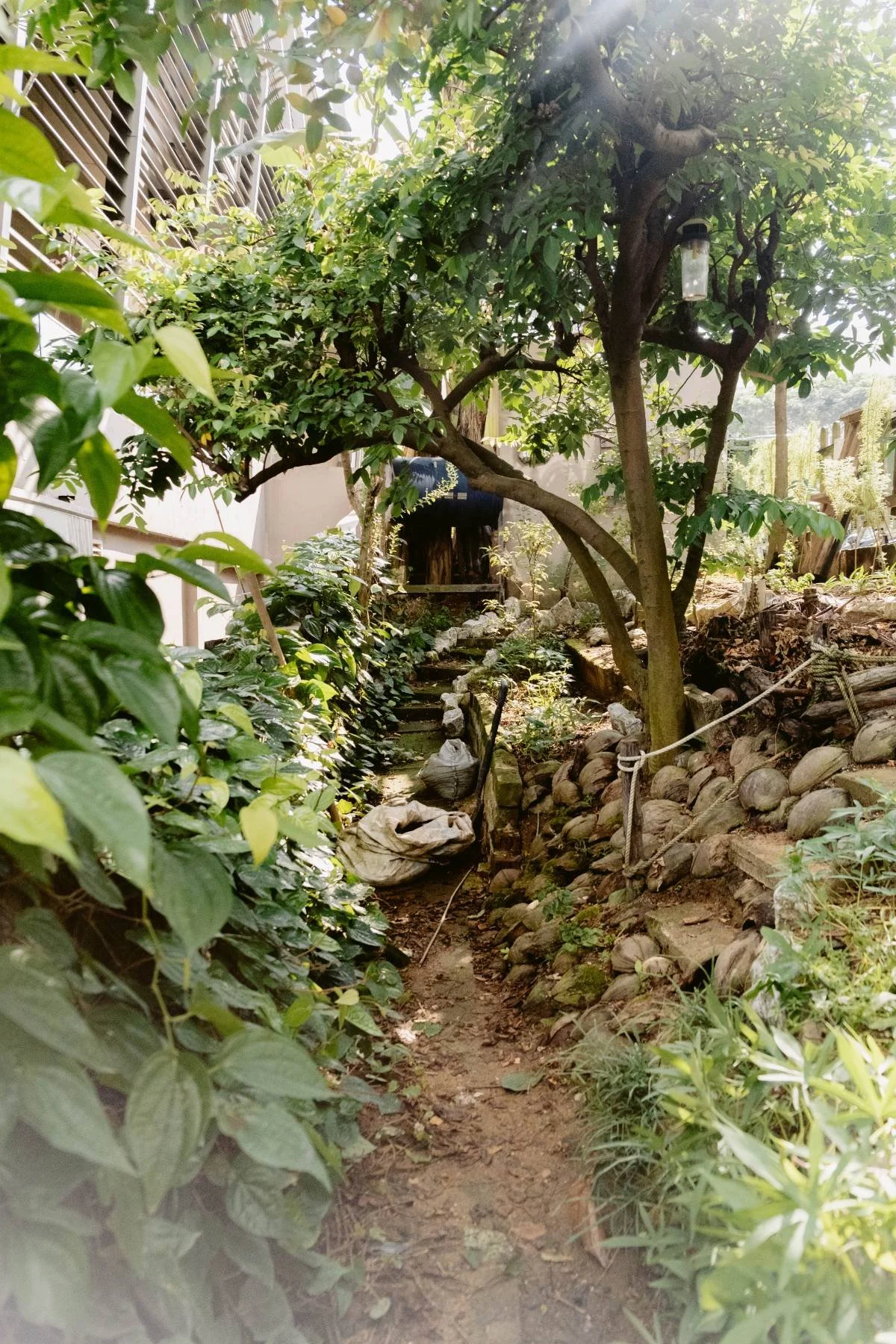
A kampung inspired community garden situated within the sacred compounds of a mosque.
Masjid Al-Mawaddah (MAM) Garden
The Masjid Al-Mawaddah (MAM) Garden is a unique community that exists within a mosque. The garden itself is cared for by a team of volunteers from the mosque and they come together every Saturday morning to tend to the space. The garden is laid out across the perimeters of the mosque, with different sections crafted out as micro gardens with their own unique features. From a purple garden for all flowers and plants that take on that lovely shade of plum, to a cactus garden for our spiky companions, the garden is structured and well organised with its own rustic charm. Here in the garden, you will be able to see tons of handcrafted signs, lovingly upcycled from materials that the gardeners rescued from around Singapore.
The plot that the gardeners have chosen for the soil regeneration project exists on a steep slope of soil with one or two starfruit trees. Given the steepness of the slope, the gardeners wanted to explore if soil regeneration could help with soil erosion on the slopes. Since the start of the project, they have transformed the slope into 3 terraces, and also practiced hugelkutlur. The MAM garden is one that is filled with a strong sense of kampung spirit that permeates through the garden.
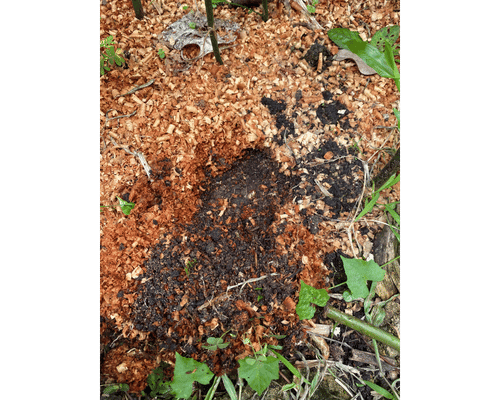
Hidden Garden at Siglap South CC
The Hidden Garden is situated within the compounds of Siglap South Community Centre. Upon exploring the garden, one will be greeted by heaps of compost piles, lined up neatly against the walls at the back of the garden. The Hidden Garden thrives on community composting, with a dedicated group of volunteers who consistently collect food scraps from markets and cafes for composting. The steaming heaps of compost are added to the garden beds which have transformed from clayey soil to loose loamy soil over the last couple of years. Besides composting, the gardeners also explored many different regenerative techniques, from worm towers, foliar sprays, multi-cropping and even the use of biodynamic preparations. Armed with curiousity and dedication, the garden is awlays a joy to visit and we would often leave feeling inspired by the gardeners’ new experiment.
Bukit Batok Community Garden
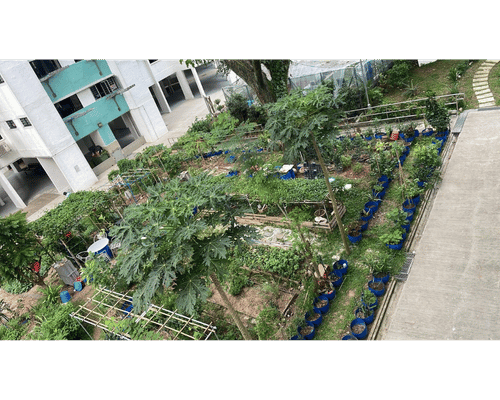
The Bukit Batok garden exists right in the neighbourhood, nestled between two block of flats. The garden is an open garden, with rectangular blocks laid out on the soil, each one cared for by the residents who live nearby. One of these plots, roughly 1m x 3m or so, was allocated for the soil regeneration project. While humble in size, the plot was consistently lush throughout the course of the project, being home to many native edible plants such as the moringa, java ginseng, borage, laksa leaves, curry leaves, pandan and more. The bed also housed a worm bin, that was made from an upcycled plastic tub. The soil was constantly mulched and the plot was stable, growing steadily and consistently in a system that could sustain on its own with little manpower input. What made this case study an interesting one is that it is also relatively shaded due to the surrounding flats, and there is a huge tree that towers over the plots as well.
Jalan Senang Community Garden
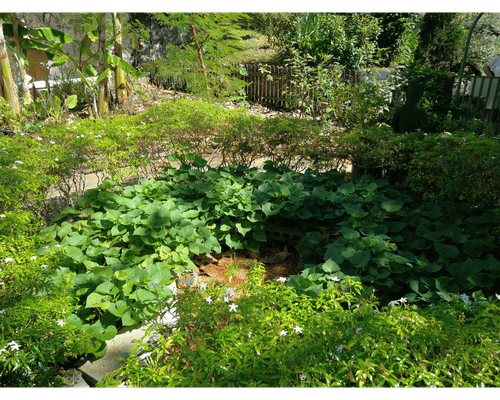
Situated within a park in Kembangan, the Jalan Senang Community Garden is a thriving space that is tended to with lots of intentionality. What started out as a regular community garden with rectuangular plots on the ground has transformed into a regenerative garden designed with permaculture principles. When Marcus first came to this garden, he requested to grow outside of the allotment plots and not within the neat beds instead. What started out as an unconventional request, soon became the very character and soul of the garden. The community garden became an experimental space featuring many different regenerative methods such as a banana circle (which was perfect for the area that was often flooded with water), hugelkultur plots, a market garden, a keyhole garden, compost heaps, and also integrated animals, specifically chickens into the system as well. Jalan Senang Community Garden was a unique as it was considered both a Group A garden (one that has been regenerated for awhile now) and also a Group B garden as there was a new plot that the gardeners were working on and could be sampled on and tracked for transformation and changes over the 3 years.
Biodiverse Edible Garden at MGS
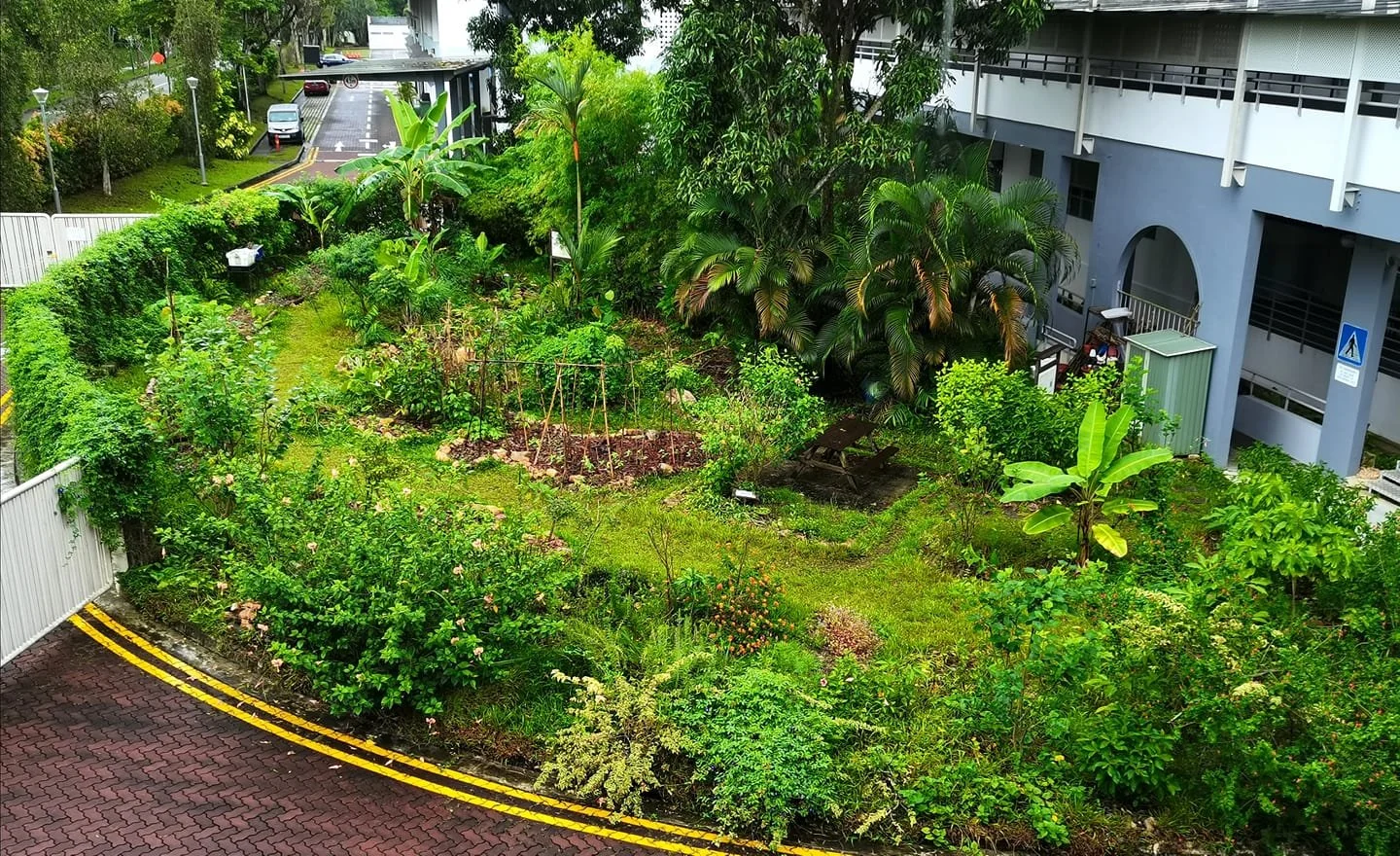
The Biodiverse Edible Garden is a beautiful regenerative garden situated within a school. Upon entering the garden, one would be greeted by birdsongs, and you would notice lots of trees, shrubs and undercover growing at different heights, filling the whole space with lushness. Garden beds are formed with rocks of various sizes - where they used to be construction debris that was buried in the ground. The beds were carefully and thoughtfully created such that they link from one to another, forming a highway of loamy dark soil for the soil organisms to move easefully from one end of the garden to another. Unknown to many, this garden is home to a myriad of native edible and regenerative plants, soil creatures, migratory birds and other animals. The dark, loamy soil that lies underneath the mango tree, is the gift and result of 6 years of sweat, tender care and working with nature by Mr Tang and the many volunteers that have contributed to the space. This garden is a wonderful example of how green grass lawns can transform into rich biodiverse spaces easefully, effectively and readily in Singapore, so long as we have the right intentions, support and tender, loving care. The MGS Biodiverse garden has been a source of inspiration for many people - ranging from environmentalists, urban gardeners, food growers, educators, students and soil scientists in Singapore. And also respite, for the school community - students, non-teaching staff and educators. Friends and volunteers would often come over to visit and help out in the garden, sweating under the sun, feeding the soil, enjoying this little refuge in our highly urbanised country.
Alas, all things go through their seasons. The garden has since been closed to the public. You can read more about the garden here in this letter that was written to the MGS community in its final days.
Wahson Garden
The Wahson garden is within the compounds of an industrial aerospace factory. Here, you will find rows of planter beds made from upcycled wooden pallet collars. The garden is home to a range of native edibles, from chaya, to torch gingers, tapioca, pigeon pea, wing beans, asystacia and more. Kitchen scraps from the canteen are processed in the compost bin before it is distributed to the garden beds. At other times, some of the scraps go into worm bins within the garden beds. These worm bins are made of upcycled materials from the garden, and are fashioned out of split bamboo, and upturned broken clay pots. What started out as orangery red clay, transformed into dark rich loamy soil under the hands of the gardener who was there about 4 days a week. Besides regenerating the soil, the gardener also harvested produce such as sweet potato leaves from the garden for the staff kitchen.
The Wahson garden has since changed guardianship and the space is now taken over by other folks in the community.
Woking Garden
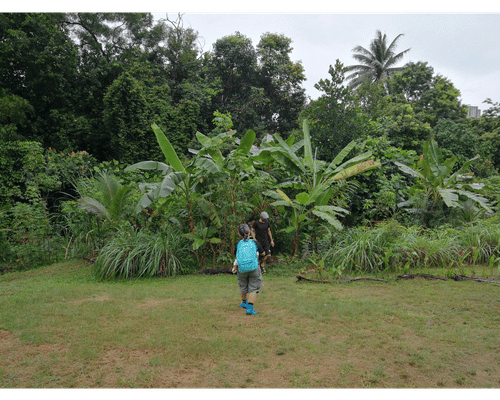
The garden sits quietly by the edge of the forest, and takes the form of a wild, rustic garden with lush trees and tall grasses. The garden is relies on rainfall and groundwater to nourish itself and is also fully exposed to the sun and the other elements. While it looks like a part of the forest that sits behind it, if one were to look closely, they will be able to spot a variety of edible trees and shrubs that were planted by the gardener. Starfruit and jackfruit trees, pineapple, bananas and mulberry can be found all around the garden, and the fruits are often enjoyed by the residents of the forests - the squirrels, birds and more. Amongst all the gardens, this garden was the only one with no construction debris found in the soil. The soil in the garden was found to be sandier, and the gardener had to rely on adding lots of organic matter and biomass to the soil to help increase water retention.
The gardener has left the country since Feb 2023 and the garden was left to be maintained by the elements since then, except for a few neighbours and friends who come by time to time. Today, the garden has been reintegrated into the forest.
